

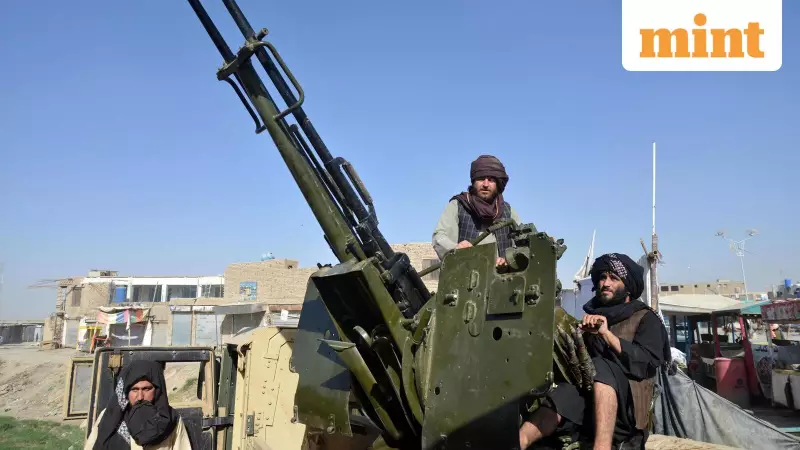
Pakistan Conducts Deadly Airstrikes in Afghanistan
The Taliban government in Afghanistan has made serious allegations against Pakistan, accusing its neighbor of launching overnight airstrikes across three eastern provinces on Tuesday. According to Afghan officials, these military actions resulted in the tragic deaths of 10 civilians, including nine children and one woman, marking a significant escalation in the already strained relations between the two countries.
Civilian Casualties and Government Response
Zabihullah Mujahid, the chief spokesperson for the Afghan government, took to social media platform X to detail the incidents. He stated that Pakistani forces specifically targeted a civilian residence in Khost province, leading to the heartbreaking loss of nine children and one woman. The Associated Press reported these claims, noting that additional strikes occurred in the provinces of Kunar and Paktika, where four more individuals sustained injuries.
Mujahid's statement emphasized the civilian nature of the targets, directly accusing Pakistan of bombing residential areas. At the time of reporting, Pakistan's military and government officials had not issued any immediate response or comment regarding these serious allegations.

Escalating Tensions and Historical Context
This recent development follows more than a month of heightened tensions between the neighboring nations. The situation began deteriorating after cross-border clashes erupted in October, when the Afghan government claimed Pakistani drone strikes had targeted Kabul. The current escalation appears connected to a deadly attack that occurred just one day earlier in Pakistan's northwestern city of Peshawar.
In the Peshawar incident, two suicide bombers and a gunman stormed the headquarters of the Federal Constabulary, resulting in three officer fatalities and eleven additional injuries. While no group has officially claimed responsibility for this attack, suspicion quickly fell upon the Pakistani Taliban, known as Tehrik-e-Taliban Pakistan (TTP).
The TTP operates as a separate entity but maintains close alliances with the Afghan Taliban. Many TTP leaders are believed to be hiding within Afghan territory, creating ongoing friction between the two nations. Pakistan has repeatedly urged Afghanistan's Taliban rulers to prevent TTP militants from using Afghan soil to launch attacks against Pakistani targets.
Despite Kabul's consistent denials of harboring militant groups, relations have continued to deteriorate. The situation worsened significantly after Afghanistan blamed Pakistan for October 9 drone strikes on its capital and threatened retaliation. The subsequent clashes resulted in dozens of casualties among soldiers, civilians, and militants before Qatar successfully brokered a ceasefire on October 19.
Two subsequent rounds of talks held in Istanbul failed to resolve the fundamental disputes between the nations. Pakistan has maintained that Afghanistan refused to provide written guarantees preventing TTP fighters from operating across Afghan territory. The Afghan government, in recent statements, has reiterated its position that it does not permit any group to use its soil for attacks against other countries, including Pakistan.






