

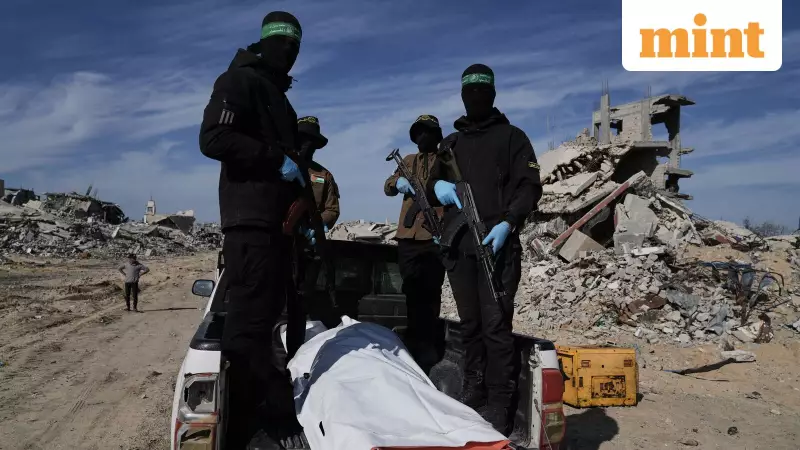
The leader of the most significant anti-Hamas militia in Gaza that received backing from Israel has been killed. This event strikes at the heart of a contentious Israeli policy aimed at cultivating armed Palestinian groups to counter the dominant militant organisation.
Death in a Clan Dispute
Yasser Abu Shabab, the young commander of a militia known as the Popular Force, was shot and killed on Thursday, December 5, 2025. According to statements from his own group, he died while trying to mediate a dispute between Palestinian clans in the southern Gaza city of Rafah. Israeli security officials confirmed his death, stating he succumbed to wounds sustained during internal fighting among Gaza clans.
Abu Shabab's militia held influence in a small area within Rafah. Before this year, he was a minor figure in Gaza's complex political landscape and had faced accusations from Hamas and aid workers of looting humanitarian convoys. However, his profile rose noticeably in recent months as he began appearing with new weapons and equipment, openly expressing ambitions to challenge Hamas's rule and transform the coastal enclave.

An Israeli-Backed Challenger to Hamas
The Wall Street Journal had previously reported that Israel supplied arms to Abu Shabab and his fighters. His militia frequently used social media to post anti-Hamas messages and videos showcasing their strength. In an earlier interview, Abu Shabab defended his actions regarding aid, stating he "took over" supplies entering Gaza to provide food for civilians living under his protection in the Shouka area near Rafah.
His death brings into sharp focus the inherent risks and complications of Israel's wartime strategy. Throughout the conflict, Israel has provided support to various Gaza militias to increase pressure on Hamas, according to Israeli officials. The goal has been to build up armed Palestinian resistance to diminish the power of the U.S.-designated terrorist group.
Strategy Complications and Hamas's Resurgence
However, militias like the Popular Force face significant challenges. They are typically small, vulnerable to infighting, and lack the organisational depth or broad popular support required to become a true counterweight to Hamas. Some have been linked to criminal activities, leading many Gazans to support Hamas's crackdowns on these rival groups.
Hamas celebrated Abu Shabab's killing, labelling him a collaborator with Israel. The militant group has used the two-month U.S.-brokered ceasefire to intimidate rival factions and reassert its control across Gaza. Hamas has refused key terms of the ceasefire agreement, which required it to disarm and relinquish administrative control, casting doubt on the peace deal's longevity.
The situation remains deadlocked. While a proposed plan involving a Palestinian technocrat committee and an international security force exists, disagreements persist. Israeli Prime Minister Benjamin Netanyahu rejects the involvement of the West Bank-based Palestinian Authority in Gaza, instead seeking local partners with no ties to the Authority or Hamas. The killing of Yasser Abu Shabab represents a major setback for this approach, leaving a vacuum and highlighting the fragile, volatile nature of Gaza's internal power dynamics.






