

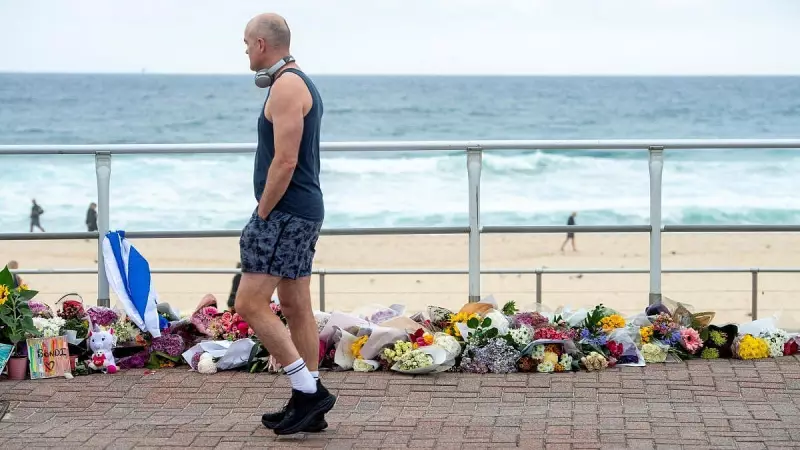
The Islamic State (IS) terrorist group has publicly praised the deadly knife attack at a Sydney shopping centre but has notably stopped short of officially claiming responsibility for the assault. The incident, which took place at the Westfield Bondi Junction mall on Saturday, resulted in the deaths of six people and left several others injured.
IS Media Hails Attacker as a 'Soldier'
According to a report by the SITE Intelligence Group, which monitors extremist communications, the IS-linked Amaq news agency released a statement on Sunday. The statement described the attacker, identified by Australian police as 40-year-old Joel Cauchi, as a "soldier of the Islamic State." It further declared that the attack, which targeted citizens of states involved in the coalition fighting the militant group, was a "source of pride."
However, the statement did not include any direct claim of responsibility for orchestrating or directing the assault. This pattern is often seen in incidents where the perpetrator appears to have been inspired by the group's ideology but did not have formal operational ties to its command structure.

Australian Police Focus on Lone-Wolf Motive
Australian authorities have been investigating the attack with a focus on Cauchi acting alone. Police have stated that mental health issues were a significant factor in their investigation, though they have not ruled out any ideological motivations. The victims of the attack included five women and one male security guard, who was fatally stabbed while confronting the assailant.
New South Wales Police Commissioner Karen Webb emphasised that based on the evidence gathered so far, there was no indication that the attack was driven by any specific ideology or that it was part of a broader conspiracy. "If it is in fact the case, then it would be an act of a lone wolf," she stated in a press briefing.
Global Pattern of Inspired Attacks
The IS response to the Sydney stabbings fits a known pattern. The group frequently uses its propaganda channels to celebrate violent acts carried out by individuals across the world, even when no direct link exists. This strategy serves to amplify its global reach, inspire further lone-wolf attacks, and create an aura of omnipresence.
Security analysts note that such statements aim to claim moral victory and recruit sympathisers, regardless of the actual level of involvement. The incident in Bondi Junction underscores the ongoing challenge for global security agencies: preventing attacks by self-radicalised individuals who operate outside traditional terrorist networks.
The attack has sent shockwaves through Australia, a country with strict gun and knife laws, prompting discussions about public safety, mental health support systems, and counter-terrorism preparedness. Investigations by Australian Federal Police and intelligence agencies are ongoing to fully understand the motivations behind this tragic event.






