The nationwide protests in Iran, ignited by the death of 22-year-old Mahsa Amini in police custody, have turned increasingly deadly. According to the Norway-based Iran Human Rights (IHR) group, the death toll has now risen to at least 116 people since the demonstrations began over two weeks ago.
Escalating Violence and Nationwide Crackdown
The unrest, which represents one of the most significant challenges to Iran's leadership in years, has seen a severe response from security forces. The IHR report, updated on Saturday, detailed that the casualties have occurred across at least 14 provinces. The deadliest clashes appear to be in provinces like Sistan and Baluchistan, Mazandaran, Gilan, and Kurdistan, where Amini was originally from.
Authorities have moved aggressively to suppress the flow of information. In a bid to control the narrative and stifle organization, the government has imposed a near-total internet blackout. Access to popular global platforms like Instagram and WhatsApp has been severely restricted, leaving citizens largely cut off from the outside world and making verification of events on the ground extremely difficult.

The Spark: Mahsa Amini's Tragic Death
The protests were triggered by the tragic death of Mahsa Amini on September 16. The young woman was arrested by Iran's morality police in Tehran for allegedly violating the country's strict dress code, which mandates headscarves for women. She fell into a coma shortly after her detention and died three days later. While authorities claim she suffered a heart attack, her family and countless Iranians believe she was beaten, a allegation officials strongly deny.
Her death has become a powerful symbol, catalysing widespread anger not just over the mandatory hijab laws, but over decades of political repression and social restrictions. The protests have uniquely seen women at the forefront, publicly burning their headscarves and cutting their hair in defiant acts of civil disobedience.
International Reactions and Mounting Pressure
The international community has expressed growing concern. The United States recently announced it was easing export restrictions on internet services to Iran to help citizens circumvent the government's digital blockade. Global rights organizations and several Western governments have condemned the violence against protesters and called for accountability.
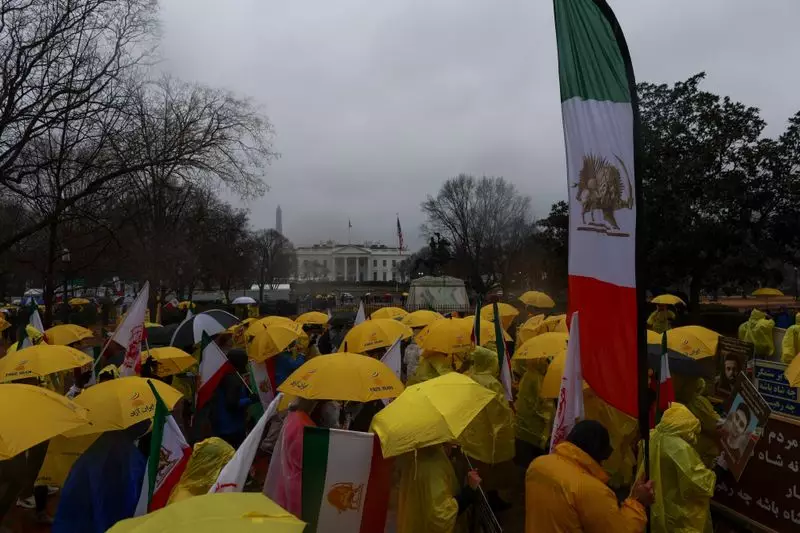
Inside Iran, despite the internet shutdown and the threat of violence, demonstrations have persisted. Reports from activists indicate nightly chants against the Supreme Leader and calls for the fall of the regime. The situation remains fluid and tense, with the potential for the death toll to rise further as the standoff between a determined public and a resolute establishment continues.
The coming days will be critical in determining the trajectory of this movement. The Iranian government's strategy of combining forceful suppression with information control highlights the high stakes of this popular uprising, which has already claimed a significant number of lives in its demand for fundamental change.