

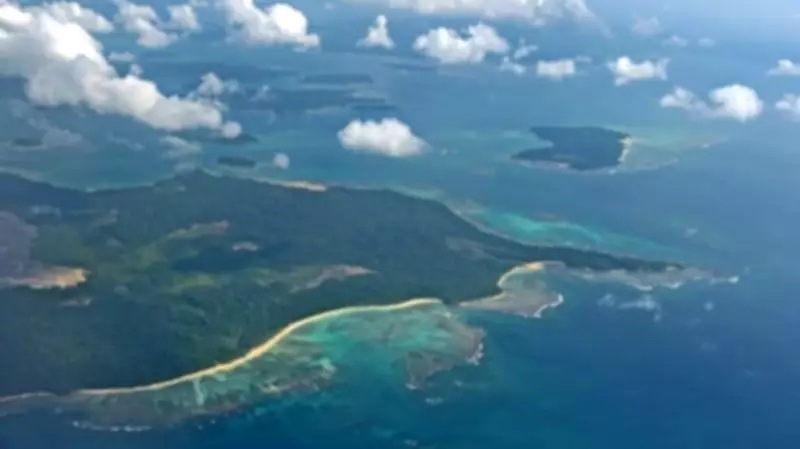
The commercial framing of the Great Nicobar project by the Narendra Modi government cannot be allowed to avoid parliamentary scrutiny on strategic matters. Democracy demands a public debate on the environmental and strategic costs of the project.
The Need for Public Debate
The Great Nicobar Island project, touted as a major development initiative, has raised significant concerns among environmentalists and strategic analysts. The government's approach, which emphasizes economic benefits, risks sidelining critical discussions on ecological impact and national security implications.
Environmental Costs
The project is expected to have a profound impact on the island's unique biodiversity. Great Nicobar is home to several endemic species and pristine ecosystems. Large-scale construction and increased human activity could lead to habitat destruction, pollution, and disruption of traditional livelihoods of indigenous communities.

Strategic Considerations
Strategically, the island's location near the Malacca Strait makes it a potential site for military infrastructure. However, such developments could alter regional power dynamics and provoke responses from neighboring countries. A transparent debate is necessary to weigh the benefits against potential risks.
Parliamentary Scrutiny
Parliament must play a role in scrutinizing the project. The government should present a comprehensive assessment, including environmental impact studies and strategic evaluations, to allow informed decision-making. Bypassing this process undermines democratic accountability.
In conclusion, the Great Nicobar project should not be pushed through without a thorough public and parliamentary debate. The environmental and strategic costs are too significant to be overlooked in the name of development.






