In a significant development for human rights in Venezuela, activist Javier Tarazona and eight other Venezuelan citizens were released from a Caracas prison on Sunday, according to family members and non-governmental organizations. This release comes as families of detainees express growing frustration over what they describe as the slow pace of prisoner releases across the country.
Background of the Release Policy
Prisoner releases have accelerated in Venezuela since the government introduced a new release policy on January 8. This policy shift followed closely after the United States captured former president Nicolas Maduro on January 3 during an operation codenamed Absolute Resolve. The timing has led to speculation about potential connections between international pressure and domestic policy changes.
Javier Tarazona's Case
Javier Tarazona, who heads the organization FundaRedes, had been imprisoned since July 2021 on charges of terrorism and conspiracy. FundaRedes monitors alleged abuses by Colombian armed groups and Venezuela's military along the shared border between the two countries. His brother, Jose Rafael Tarazona, announced the release on social media platform X, stating: "After 1,675 days, four years and seven months, the day we've so wished for has arrived, my brother Javier Tarazona is free. The freedom of one is hope for all."

The Helicoide Detention Center
The released individuals had been held at the Helicoide detention center in Caracas, a facility that has drawn international scrutiny. A 2022 United Nations report cited the center for subjecting detainees to torture, allegations that the Venezuelan government has consistently denied. The conditions at Helicoide have been a focal point for human rights advocates demanding prison reforms.
Other Released Individuals
According to the local human rights group Foro Penal, which announced the releases on X, those freed alongside Tarazona include:
- Italian Venezuelan Mauricio Giampaoli
- Political activist Luis Isturiz
- Farmer Victor Castillo
- Political leader Yandir Loggiodice
- Willians Diaz
- Rodrigo Perez
- Omaira Salazar
- Guillermo Lopez
Gonzalo Himiob, vice president of Foro Penal, commented on the development: "Every step towards freedom and the definitive end of repression is important."
Contrasting Numbers and Ongoing Challenges
Foro Penal estimates that while over 300 political prisoners have been released in recent weeks, more than 700 remain incarcerated. Government officials, who deny holding political prisoners and maintain that those imprisoned have committed actual crimes, claim the number of releases is more than double Foro Penal's figure. However, the government's total appears to include releases from previous years, creating confusion about the actual current numbers.
The Venezuelan government has not disclosed how many prisoners will ultimately be freed under the new policy, nor has it publicly identified all individuals scheduled for release. This lack of transparency has contributed to the frustration expressed by families and human rights organizations.
Political Context and Proposed Legislation
Venezuela's interim President Delcy Rodriguez unveiled a proposed "amnesty law" for hundreds of prisoners on Friday. She also mentioned plans to transform the Helicoide detention center into a facility for sports and social services, potentially signaling broader institutional changes.
Opposition leader and Nobel Peace Prize laureate María Corina Machado has been particularly vocal in pressing for prisoner releases, as numerous close associates remain behind bars. High-profile figures still detained include opposition politician Juan Pablo Guanipa, lawyer Perkins Rocha (both allies of Machado), and Voluntad Popular party leader Freddy Superlano.
Among those who have been recently freed is Rafael Tudares, the son-in-law of former opposition presidential candidate Edmundo González, indicating that releases are affecting individuals connected to various opposition figures.

Family Perspectives and Demands
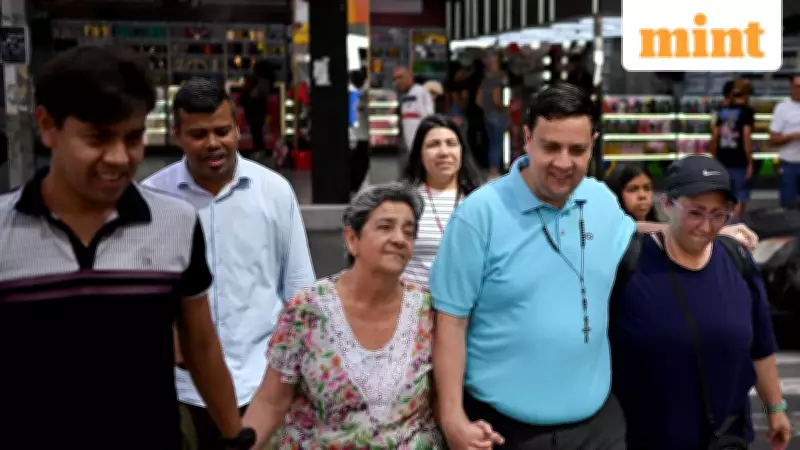
Families of prisoners continue to voice concerns that the release process is moving too gradually. Many relatives and human rights groups are calling for charges and convictions against those viewed as political prisoners to be completely dropped, rather than simply releasing individuals while maintaining their criminal records.
The situation remains fluid as Venezuela navigates complex political dynamics both domestically and internationally, with prisoner releases serving as one visible indicator of potential shifts in governance and human rights practices.