

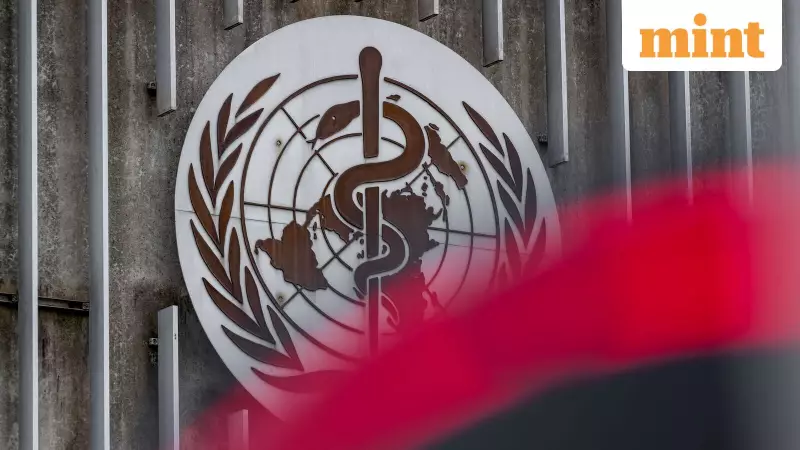
US Formally Withdraws from WHO, Leaving $260 Million in Unpaid Dues
The United States has officially completed its withdrawal from the World Health Organization, a move initiated by former President Donald Trump one year ago. This departure leaves the global health body without its largest financial contributor and raises significant concerns about international public health infrastructure.
Financial Fallout and Unsettled Debts
According to WHO calculations from January 2025, the United States owes approximately $260 million in unpaid dues as it exits the organization. The debt stems from the country's financial obligations under the 1948 Congressional resolution that originally established U.S. participation in WHO.
A senior U.S. Department of Health and Human Services official has stated there is no statutory requirement to settle this debt before withdrawal, creating a potential financial crisis for the global health agency. The WHO is expected to discuss legal options regarding the unpaid amount during its May assembly, though enforcement mechanisms remain limited.

Immediate Consequences of U.S. Withdrawal
The Department of Health and Human Services has confirmed the United States has:
- Halted all funding to WHO immediately
- Recalled American personnel from WHO offices worldwide
- Withdrawn from WHO leadership bodies and working groups
This represents a significant reduction in both financial support and technical expertise available to the global health organization.
Historical Funding Context and Impact
Between 2022 and 2023 alone, the United States contributed nearly $1.3 billion to WHO operations, making it the organization's largest donor. This funding supported critical global health initiatives including:
- HIV prevention and treatment programs
- Polio eradication efforts
- Ebola response and containment
- Various other infectious disease control measures
The sudden withdrawal of this substantial financial support creates immediate challenges for ongoing health initiatives worldwide.
Expert Warnings About Global Health Risks
Public health experts have expressed serious concerns about the broader implications of the U.S. withdrawal:
- Weakened disease surveillance systems that monitor emerging health threats
- Potential disruption to the WHO's influenza monitoring network
- Reduced global vaccine preparedness and distribution capabilities
- Diminished capacity for coordinated international pandemic response
Political Context and International Reactions
Former President Trump initiated the withdrawal process on the first day of his second term, citing several grievances including:
- Alleged mishandling of the COVID-19 pandemic response
- Failure to implement requested reforms
- Concerns about political influence affecting WHO decisions
The European Union has urged Washington to reconsider its position, while Argentina has announced its own plans to exit the organization. U.S. officials indicate they are exploring alternative global health partnerships and have no current plans to rejoin WHO.
Legal Framework for Withdrawal
The formal withdrawal process requires:
- A one-year notice period (which has now been completed)
- Settlement of outstanding financial obligations
The discrepancy between WHO's interpretation of debt obligations and the U.S. position creates an unresolved legal question that may have implications for future international agreements.






