UAE Air Defence Systems Successfully Intercept Multiple Aerial Threats
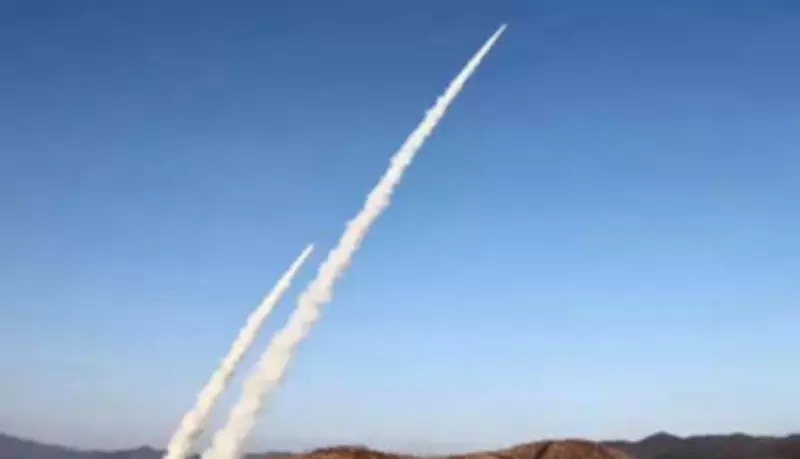
The United Arab Emirates Ministry of Defence has officially confirmed that its advanced air defence systems successfully intercepted and neutralised seven ballistic missiles and sixteen drones launched towards the country on March 23, 2026. This incident represents the latest in a series of escalating aerial attacks targeting the Gulf nation amid heightened regional tensions.
Official Statement and Public Safety Measures
In a detailed statement carried by the Emirates News Agency (WAM), the ministry clarified that the loud sounds heard across various parts of the UAE resulted from mid-air interceptions as defence systems engaged and destroyed incoming targets before they could reach their intended destinations. Authorities have urged residents to remain calm and strictly follow official safety instructions during such incidents.
Public safety advisories issued by officials include:

- Remaining indoors and avoiding open areas during attacks
- Keeping away from windows and doors to prevent injury from debris
- Following official government channels for verified updates
- Avoiding the spread of unverified information that could cause panic
Pattern of Repeated Attacks and Escalation
The March 23 incident is not an isolated event but part of a concerning pattern of repeated aerial threats against UAE territory. Over the past week alone, multiple similar attacks have been documented:
- March 22: Four ballistic missiles and twenty-five drones intercepted
- March 21: Three ballistic missiles and eight drones engaged
- March 19: Seven ballistic missiles and fifteen drones intercepted
- March 16: Six ballistic missiles and twenty-one drones intercepted
This consistent pattern highlights what authorities describe as "blatant aggression" against the nation, with UAE defence systems responding to threats on an almost daily basis.
Cumulative Interception Statistics and Human Impact
According to official data released by UAE authorities, since the beginning of this sustained campaign of aerial attacks, the country's air defence systems have achieved remarkable interception rates:
- More than 300 ballistic missiles neutralised
- Fifteen cruise missiles intercepted
- Over 1,700 drones engaged and destroyed
Despite these successful interceptions, the attacks have resulted in significant human costs:
- Deaths of UAE armed forces personnel while performing their duties
- Civilian casualties involving multiple nationalities
- More than 150 injuries ranging from minor to severe
- Secondary injuries caused by falling debris from intercepted missiles
Regional Context and Strategic Targeting
The escalation in aerial attacks is directly linked to broader regional tensions involving Iran, located in West Asia north of the Arabian Gulf and east of Iraq. According to Emirates News Agency reports, missile and drone launches are being conducted either directly by Iranian forces or through Iran-aligned proxy groups, targeting multiple countries across the Middle East region.
The United Arab Emirates remains a particularly significant target due to several strategic factors:
- Its crucial geographic location at the heart of the Arabian Gulf
- Major global trade hubs including Dubai and Abu Dhabi
- Critical economic infrastructure and energy facilities
- Strong international partnerships and diplomatic relations
Military Readiness and Future Preparedness
UAE officials have emphasised that all necessary measures are being implemented to protect civilians, critical infrastructure, and national security. The ministry has reaffirmed the country's readiness to respond to any further threats while continuing to enhance its defensive capabilities. The repeated successful interceptions demonstrate the effectiveness of UAE air defence systems, though authorities acknowledge the ongoing challenges posed by the frequency and sophistication of attacks.

The situation continues to evolve as regional tensions show no signs of immediate de-escalation, with UAE defence forces maintaining high alert status to counter potential future threats to the nation's sovereignty and security.