NHL Player Safety Department Faces Mounting Criticism Over Suspension Decisions
The National Hockey League's Department of Player Safety is confronting significant backlash and widespread criticism in the latest NHL news cycle. Fans, analysts, and commentators are expressing deep frustration and confusion over what they perceive as disproportionately light suspensions being handed down for serious on-ice incidents that result in player injuries.
Recent Incidents Fueling the Controversy
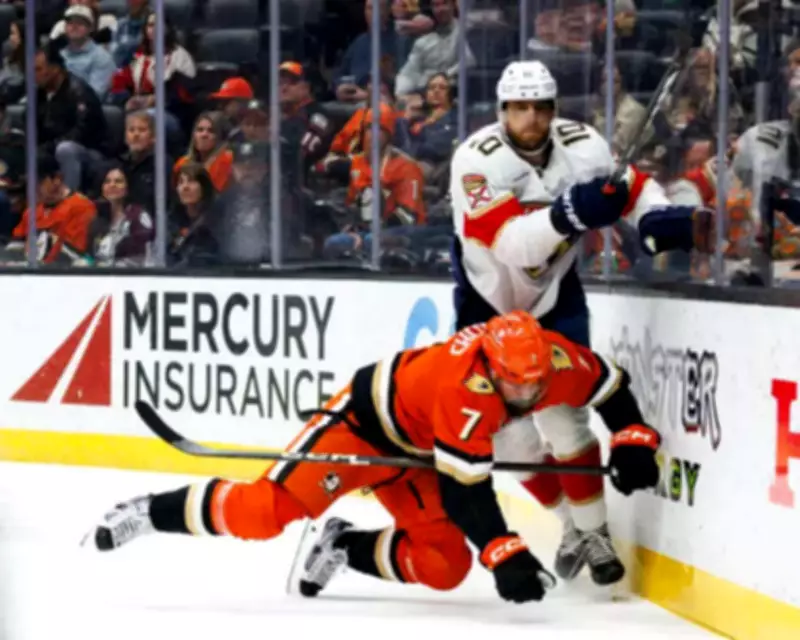
The controversy has been sharply intensified by two specific cases that occurred recently. First, Anaheim Ducks defenseman Radko Gudas received a suspension of just five games following a dangerous knee-on-knee collision that injured Toronto Maple Leafs captain Auston Matthews. Shortly thereafter, Florida Panthers forward A.J. Greer was given a mere three-game ban for a reckless and high-risk hit on Calgary Flames forward Connor Zary.
These decisions have sparked outrage across the hockey community, with many arguing that such minimal punishments fail to adequately address the severity of the actions and do little to deter similar dangerous plays in the future.

Insider Reveals Legal Concerns Behind Lenient Punishments
Prominent NHL insider and analyst Elliotte Friedman has provided crucial insight into the league's disciplinary process. On his widely followed podcast, Friedman explained that the issue extends beyond simple disciplinary actions. He disclosed that the NHL exhibits a marked reluctance to impose more severe suspensions due to a pervasive fear of appeals initiated by the NHL Players Association.
The league's apprehension stems from a history where disciplinary decisions have been overturned or significantly reduced by independent arbitrators. Consequently, the Department of Player Safety has developed a tendency to issue shorter suspensions that carry a lower probability of being appealed or successfully challenged, thereby avoiding legal complications and potential embarrassment.
Fan Frustration and Calls for Change
This cautious, legally-driven approach has greatly annoyed and disillusioned the fanbase. Supporters feel that player safety is being compromised in favor of bureaucratic convenience and legal risk management. Vocal critics maintain that lighter suspensions are ineffective as deterrents, especially in today's high-intensity, fast-paced NHL environment where dangerous plays can have catastrophic consequences.
There is a growing sentiment that the current system fails to uphold accountability and fairness, prioritizing procedural ease over the fundamental well-being of athletes on the ice.
Potential Pathways to Reform
Friedman also suggested that meaningful change may ultimately need to originate from the players themselves. If the NHL Players Association begins to advocate more strenuously for stricter and more consistent disciplinary regulations, it could compel the league to reconsider its current strategy. However, Friedman cautioned that this is a complex solution.
Any substantive amendments to the disciplinary framework would likely need to be negotiated as part of broader collective bargaining agreements. This could give the league leverage to seek other concessions in return for agreeing to harsher penalties, making the path to reform politically and legally intricate.
An Ongoing League-Wide Discussion
At present, this scandal continues to evolve and remains one of the most hotly debated topics in NHL news. The conversation encompasses critical themes of discipline, justice, player protection, and institutional accountability. As long as concerns about on-ice safety persist, this issue is poised to remain at the forefront of hockey discourse, demanding attention from league officials, players, and fans alike.