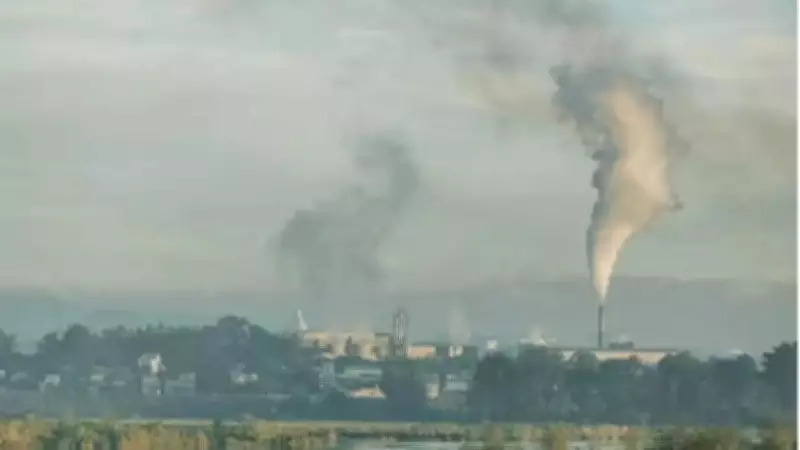
Air pollution levels in 2026 are raising fresh concerns across different parts of the world. The Air Quality Index (AQI) has become a simple but worrying signal of how safe the air really is to breathe. In some cities, the numbers are climbing into severe and unhealthy zones, which might affect daily life more than people realise. From small European towns to busy South Asian urban centres, the pattern seems uneven but troubling. Experts suggest that weather shifts, industrial emissions, and local activity could all be playing a role. What stands out is how even less expected places are appearing on the high pollution list, not just the usual metropolitan hotspots.
According to the real-time AQI Ranking 2026, below are the top 10 polluted cities in the world as of 4 May 2026.
List of world’s most polluted cities
- Cobh, Cork, Ireland – AQI 208 (Severe)
- Dungarvan, Waterford, Ireland – AQI 196 (Unhealthy)
- Clonmel, Tipperary, Ireland – AQI 192 (Unhealthy)
- Kashgar, Xinjiang, China – AQI 162 (Unhealthy)
- Bikaner, Rajasthan, India – AQI 160 (Unhealthy)
- Patna, Bihar, India – AQI 154 (Unhealthy)
- Aurangabad, Bihar, India – AQI 152 (Unhealthy)
- Begusarai, Bihar, India – AQI 150 (Poor)
- Abu Dhabi, UAE – AQI 146 (Poor)
- Muzaffarpur, Bihar, India – AQI 136 (Poor)
World’s most polluted cities 2026
Cobh, Ireland (AQI 208)
Cobh in Cork appears at the top of the list, which feels surprising for a coastal Irish town. The AQI level of 208 is classified as severe, and that is unusually high for the region. It might be linked to temporary weather stagnation or localised industrial activity, though nothing has been officially confirmed yet. Residents reportedly notice hazy conditions during certain hours of the day. Experts suggest such spikes in smaller European towns could be short-term but still risky for sensitive groups. Outdoor activity may feel heavier than normal, and even short exposure could cause discomfort in breathing for some people.

Dungarvan, Ireland (AQI 196)
Dungarvan, although slightly below, is still in a worrying position. Given its AQI of 196, the air is considered unhealthy. This implies that there might be some form of pollution in the atmosphere. The wind currents along the coast are not helping to clear out the pollutants. According to some people, they have experienced irritation in their eyes and throat while moving around. Such measurements are said to show a temporary disturbance in the flow of air.
Clonmel, Ireland (AQI 192)
Clonmel’s reading of 192 places it firmly in the unhealthy category. The town does not usually feature in pollution discussions, so this shift feels a bit unusual. It appears that stagnant air pockets might be holding pollutants closer to ground level. People walking in busy areas might notice reduced visibility or a faint haze. Experts suggest that even moderate traffic combined with calm weather can push AQI levels upward in smaller towns. Nothing extreme is reported yet, but sensitive groups might want to limit prolonged outdoor exposure.
Kashgar, China (AQI 162)
Kashgar in Xinjiang shows an AQI of 162, which is unhealthy but slightly lower than European entries above it. The region is known for dry conditions, and dust might be playing a role here. The natural particles mixed with urban emissions are contributing to the reading. Locals reportedly experience occasional dusty air days, especially when winds pick up. Experts suggest desert proximity can make air quality fluctuate more sharply than in humid regions.
Bikaner, India (AQI 160)
Another desert city that falls into the unhealthy category is Bikaner, where the AQI is recorded at 160. This is an indication that the pollution is from dust and urban activities. There is an indication that the pollution arises from the construction industry, coupled with dry winds in the area. One would expect the dust to settle on surfaces rather quickly. It is believed that this phenomenon is widespread in dry areas, especially when there are shifts in the winds.

Patna, India (AQI 154)
The AQI of Patna is consistently high at 154. The city usually faces poor air quality issues, and such readings indicate that the air quality is within an unhealthy range. The reasons may be attributed to excessive traffic pollution and dust from construction sites. Reports state that there have been instances when visibility levels were compromised due to this air quality issue. Although Patna's AQI is not very alarming in comparison to others around the world, one should take precautions.
Aurangabad, India (AQI 152)
Aurangabad’s AQI of 152 is very close to Patna’s levels, suggesting a regional pattern across Bihar. Some locals might notice mild breathing discomfort during busy traffic periods. Experts say small industrial activity could also contribute, though not heavily confirmed. The air quality might fluctuate during the day, but overall it remains in the unhealthy bracket, which is not ideal for long outdoor exposure.
Begusarai, India (AQI 150)
Begusarai is just within the “poor” category with an AQI of 150. It is slightly better than nearby cities but still far from safe. Industrial presence in the region might be influencing the air quality. Residents reportedly feel the difference during early morning hours when the air is a bit calmer. Experts suggest emissions control in industrial belts could help improve long-term conditions. For now, the air remains moderately polluted and not suitable for sensitive individuals.
Abu Dhabi, UAE (AQI 146)
Abu Dhabi’s air quality index comes out to 146, which falls into the poor classification. This could possibly be due to the desert setting, as well as construction and growth within the city. The dust particles are consistently present, particularly when it is windy. The residents get accustomed to the seasonality, although there have been occasions where visibility has been affected.
Muzaffarpur, India (AQI 136)
The AQI of Muzaffarpur stands at 136 and still falls under the poor category. It looks like there are multiple causes of pollution in Muzaffarpur that include vehicular emissions, fires during some seasons, and dust particles. The residents may experience slight irritations during long periods outdoors. Specialists consider that this number is not alarming, although it does need monitoring in the future. There is always hope that this issue can be addressed with proper urban planning and emissions regulation.