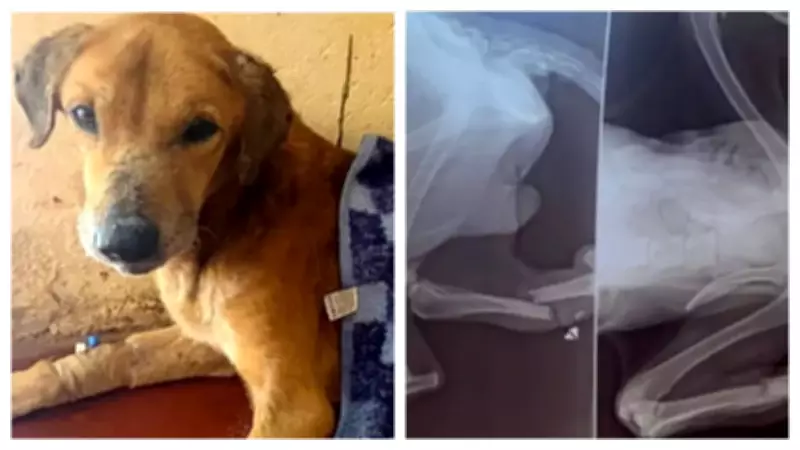
In Mityana, Uganda, a disturbing industry has emerged where scammers exploit compassion for profit. A BBC investigation uncovered young men using an injured dog named Russet to extract thousands of dollars from unsuspecting Western donors.
The Cruelty Behind the Camera
Scammers create heart-wrenching videos of dogs with severe injuries, claiming they were hit by cars or abandoned. Secret footage revealed that many "rescued" dogs are kept in filthy conditions, with injuries sometimes deliberately inflicted to generate more content. Tactics include using empty syringes to simulate treatment and fabricating eviction notices to spur urgent donations.
Financial Impact
Over five years, these operations siphoned more than $730,000 from platforms like GoFundMe. Russet's story is a tragic example: donors believed their money would heal his broken legs, but the injuries were likely intentional. Funds were funneled through multiple accounts, and by the time a real rescue occurred, Russet had suffered extensively and died after receiving genuine veterinary care.

How the Scam Works
Scammers exploit the physical distance between donors and animals, using stereotypes about animal welfare in Africa to build trust. Donations are spent on luxury cars. The business model is so lucrative that some shelters rent out dogs to content creators, allowing the same animal to appear in multiple "emergency" fundraisers simultaneously.
Countermeasures
International activists and local Ugandan groups like "We Won't Be Scammed" are fighting back by tracking and exposing fraudulent accounts. Experts urge donors to support only established organizations with a physical presence and proven track record, rather than unverified social media appeals.
Legal Developments
Legal action is intensifying. While past police efforts were weak, a coalition of activists now pursues prosecutions to create a strong deterrent. The goal is to make animal cruelty too risky for profit, ensuring dogs are no longer treated as props for digital gain but as living beings deserving real protection.