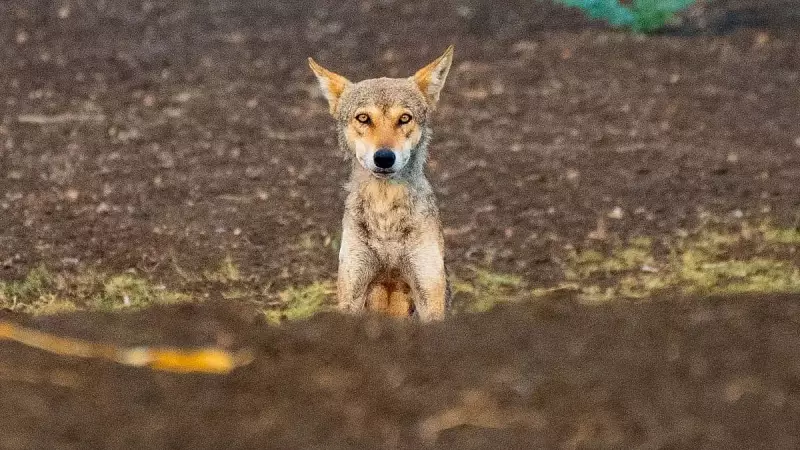
A groundbreaking study has revealed a significant shift in the attitudes of shepherds and pastoral communities in India towards wolves, moving from a stance of conflict to one of greater tolerance and potential coexistence. This change in perception could have profound implications for the conservation of the Indian wolf (Canis lupus pallipes), a species often entangled in conflict with humans.
From Perceived Threat to Ecological Participant
The research, conducted across various pastoral communities, found that a notable number of shepherds no longer view wolves solely as a threat to their livestock. Instead, many are beginning to recognize the predator's role in the ecosystem. The study, led by researchers including Abi Vanak of Ashoka Trust for Research in Ecology and the Environment (ATREE), and others from the University of Washington and the Wildlife Conservation Society-India, involved detailed surveys and interviews. It highlights a complex relationship where traditional animosity is being tempered by a modern understanding of ecological balance.
Historically, wolves have been persecuted due to livestock predation, leading to retaliatory killings. However, the new findings suggest that shepherds are now more willing to adopt non-lethal methods to protect their herds. This includes improved guarding practices, the use of guardian animals, and better nighttime enclosures. The willingness to coexist, even when financial losses occur, marks a pivotal shift in this age-old dynamic.

Factors Driving the Change in Perception
Several key factors are contributing to this evolving relationship between shepherds and wolves. The study points to increased awareness and education about the ecological importance of apex predators like wolves. Conservation outreach programs and a growing recognition of the wolf's protected status under Indian law have played crucial roles in shaping new attitudes.
Furthermore, the research indicates that shepherds who have experienced lower levels of livestock depredation, or who perceive benefits from the presence of wolves (such as the control of crop-raiding herbivores), exhibit higher tolerance. The cultural and religious sentiments in certain communities, where the wolf is sometimes viewed with a degree of reverence or acceptance, also influence this changing stance. This nuanced understanding moves beyond the simplistic narrative of pure conflict.
Implications for Conservation and Policy
The study's conclusions offer a hopeful pathway for wildlife conservation in India's human-dominated landscapes. It underscores that the future of species like the Indian wolf depends not just on protected areas but on fostering coexistence in shared spaces. The findings advocate for policies that support pastoral communities in mitigating conflict, such as providing timely compensation for livestock losses and promoting effective, non-lethal deterrents.
This shift in shepherd attitudes presents a valuable opportunity for conservationists and policymakers. By building on this emerging tolerance, strategies can be developed that protect both livelihoods and wildlife. The research ultimately suggests that coexistence is possible when local communities are engaged as partners in conservation, rather than being seen as obstacles. The changing stance of India's shepherds towards wolves serves as a compelling case study in how human-wildlife relationships can evolve towards a more sustainable balance.