The Paper Resistance: How Chemistry Became a Weapon Against the Nazis
In the grim reality of Nazi-occupied Paris after 1940, survival frequently hinged on something seemingly mundane: paper. A single stamp, a crucial signature, or a word printed in ink could determine life or death. For Jewish families trapped in this oppressive system, these documents held unimaginable power. Adolfo Kaminsky, still in his teenage years, came to understand this terrifying truth with profound clarity.
From Textile Shop to Lifesaving Laboratory
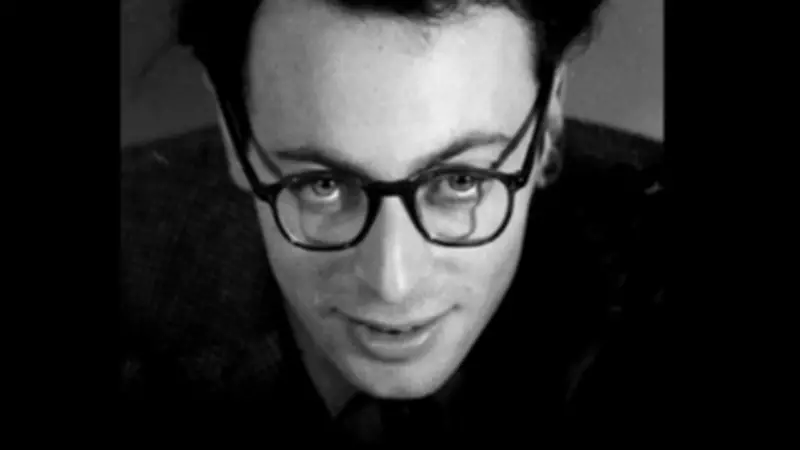
Adolfo Kaminsky was born in 1925 into a Jewish family that had escaped persecution in Eastern Europe, finding refuge in France during his childhood. By his teenage years, he was employed at a modest dye and textile shop in Paris. His daily tasks involved cleaning fabrics and mixing colors, but more importantly, he observed how various inks reacted to water, heat, and different chemicals.
This ordinary work provided him with extraordinary, albeit accidental, knowledge. He learned how pigments bonded to fibers and, crucially, how these bonds could be broken without damaging the material beneath. This understanding would soon become a powerful tool against tyranny.

The Stamp That Condemned and the Acid That Saved
Under Nazi occupation, identity papers controlled every aspect of movement and existence. Jewish documents were forcibly marked with the word Juif (Jew). This single stamp often meant immediate arrest, deportation to concentration camps, and almost certain death. Resistance groups desperately sought ways to remove these damning marks, but most attempts failed disastrously—paper would tear, ink would spread, and the alterations would be easily detected.
Kaminsky recalled something from his textile shop experience: lactic acid. He discovered it could dissolve specific inks while leaving the paper itself completely intact. After testing this method, he watched as the hateful stamp faded away, creating a blank space where danger once resided. This pivotal moment forever altered the course of his life and the lives of countless others.
Master Forger for the French Resistance
The French Resistance quietly recruited the young chemist. Soon, Kaminsky was producing far more than just altered identity cards. From hidden workshops and secret attics across Paris, he meticulously forged a wide array of essential documents: birth certificates, ration cards, transit permits, and work authorizations. Every minute detail had to perfectly match official originals—ink color, paper weight, stamp alignment, and even handwriting styles.
The stakes were unimaginably high. A single mistake—a wrong shade of ink or a slightly crooked seal—could expose entire families and dismantle resistance networks. Kaminsky worked in intense solitude, often in cramped, hidden spaces. Chemical fumes burned his eyes, his hands remained permanently stained, and the psychological pressure was relentless.
The Relentless Race Against Time
Kaminsky began to measure time in human lives rather than hours. He calculated that in just one hour, he could produce enough forged papers to save dozens of people. Consequently, an hour spent sleeping meant those lifesaving documents would never exist. Driven by this terrifying equation, he essentially stopped sleeping.
He worked through endless nights and days, fueled by the constant fear of delay. When exhaustion finally forced his body to collapse, his rest was brief. He would wake filled with anger at himself for the time lost, then immediately return to his chemical worktable.
One operation haunted him for years. Hundreds of Jewish children in an orphanage faced an imminent Nazi raid. The Resistance needed forged papers for them immediately. Kaminsky locked himself in his workspace and labored almost without interruption for two straight days. His vision blurred, his hands cramped painfully, and he briefly fainted from exhaustion. Yet he continued. The documents were completed, and the children escaped certain death. He later spoke of this episode not with drama, but with simple, profound relief.

A Legacy of Quiet Impact
By the liberation of Paris in 1944, Adolfo Kaminsky's forged documents had helped an estimated 14,000 people avoid arrest, deportation, or execution. The exact number will never be known, as true success in this clandestine work left no records. The goal was absence—names that never appeared on transport lists, files that led investigators to dead ends.
Kaminsky never carried a weapon or fired a shot. His resistance was precise, administrative, and devastatingly effective. He disrupted a killing machine by sabotaging its paperwork. He refused any payment for his work, believing that charging for saving a life was morally unthinkable. After the war, he did not seek honors or tell his story. He simply stepped away, becoming a photographer and living a quiet, private life. Even his own children remained unaware of his heroic past for decades.
A Life Revealed and Remembered
Only later in life did Kaminsky begin to share his experiences. Historians and journalists gradually pieced together his remarkable story from interviews and survivor testimonies. What emerged was not a tale of mythical heroism, but a narrative of meticulous method, exhausting labor, and profound humanity.
He never described himself as brave. Instead, he spoke of tasks, problems, and practical solutions—ink that needed removing, paper that must not tear. Kaminsky's story demonstrates how resistance sometimes operates: at desks under lamplight, with knowledge gained by chance, and through an unwavering refusal to stop.
Adolfo Kaminsky passed away in 2023 at the age of 97. There are no grand monuments dedicated to his work. His true memorial exists in people—the children, families, and subsequent generations who live today because a teenager understood that chemistry, applied with care and relentless determination, could prevent death from finding a name.