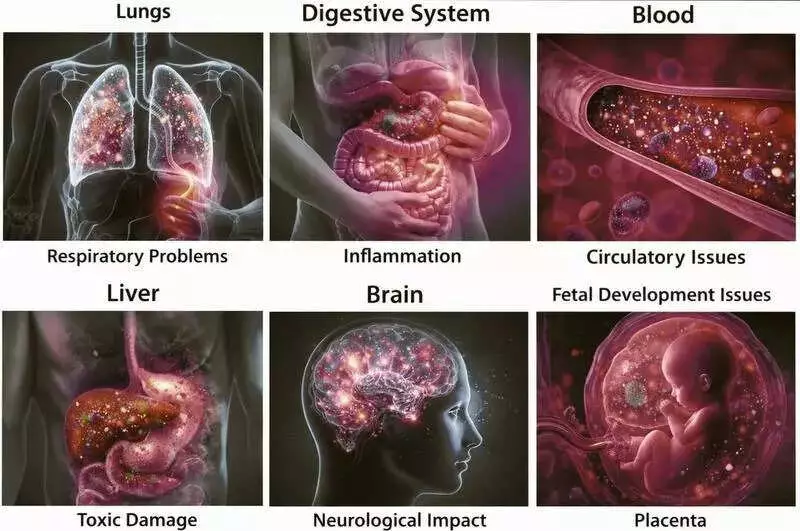
A groundbreaking research paper authored by environmental scientists D Bipin Lade and Dayanand P Gogle has sounded the alarm on the pervasive presence of microplastics and even smaller nanoplastics in water systems across India and globally. These minuscule plastic particles, which have infiltrated oceans, rivers, lakes, groundwater, and even tap and bottled drinking water, are raising profound environmental and public health concerns that demand immediate attention.
Widespread Contamination in Indian Water Bodies
The study provides detailed evidence of plastic pollution hotspots in India. In the northern Indian Ocean, researchers observed a sharp increase in microplastic concentrations following the monsoon season, attributed to enhanced water movement that disperses these particles. Closer to urban centers, the findings are even more startling. Pune's Mula River recorded concentrations reaching up to 1,808 microplastic particles per litre in samples taken before the monsoon, highlighting severe local contamination.
Nagpur's River Systems Show Alarming Plastic Levels
In Nagpur, soil samples collected near the Nag and Pili rivers contained significantly higher levels of plastic fragments compared to farmland situated farther away. This pattern strongly indicates river-driven contamination, where water bodies act as conduits for spreading plastic pollution into adjacent ecosystems. The researchers caution that this not only affects aquatic life but also poses risks to agricultural lands and food chains.

Direct Human Exposure Through Drinking Water
Perhaps most concerning is the detection of microplastics in bottled drinking water from Andhra Pradesh, reinforcing fears about direct human ingestion. Scientists warn that these particles have been found in human tissues, including the lungs, bloodstream, placenta, and brain. While the long-term health effects are still under investigation, the mere presence of plastics in vital organs underscores the urgency of addressing this contamination.
Understanding Microplastics and Nanoplastics
Microplastics are defined as plastic particles smaller than 5 millimetres, while nanoplastics measure less than 1 micrometre, with some as tiny as 100 nanometres. Their minuscule size makes them extremely difficult to detect and remove using conventional water treatment processes. Researchers emphasize that this allows them to move freely through water systems, bypassing filtration and entering drinking water supplies.
Expert Insights and Technological Solutions
Bipin Lade, an environmental nanoscientist at the National Center for Earth and Environmental Nanotechnology Infrastructure (NanoEarth) in Virginia, United States, and former assistant professor at Rajiv Gandhi Biotechnology Center, Nagpur University, highlights the critical role of Indian urban water bodies in studying and mitigating plastic pollution. Lade focuses on detecting and removing these particles using advanced tools like micro-Fourier transform infrared spectroscopy, scanning electron microscopy with energy-dispersive X-ray spectroscopy, and dynamic light scattering.
"Microplastics are not inert; they undergo chemical, physical, and biological transformations that can increase their mobility and toxicity," Lade explained. He pointed to local water bodies such as Ambazari and Futala lakes in Nagpur as key sites for assessing contamination and testing safe, environmentally friendly polymer-based removal strategies to protect ecosystems and human health.
Nanobiotechnology's Role in Pollution Control
Co-author Dayanand P Gogle, head of the department of molecular biology and genetic engineering at Nagpur University, emphasized the potential of nanobiotechnology in tackling water pollution. This innovative approach could lead to more effective removal methods and improved long-term outcomes for both ecosystems and public health.
Key Sources of Plastic Pollution Identified
The study outlines several primary contributors to microplastic and nanoplastic contamination in water systems:

- Urban sewage discharge and stormwater run-off into rivers and lakes
- Post-monsoon flooding that spreads plastic debris across water bodies
- Agricultural fields near rivers absorbing plastics through irrigation
- Ageing plastic water supply pipelines that release particles
- Inefficient water treatment systems unable to trap nanoplastics
This comprehensive research underscores the urgent need for enhanced monitoring, improved water treatment technologies, and stronger environmental policies to combat the growing threat of plastic pollution in India's water resources.