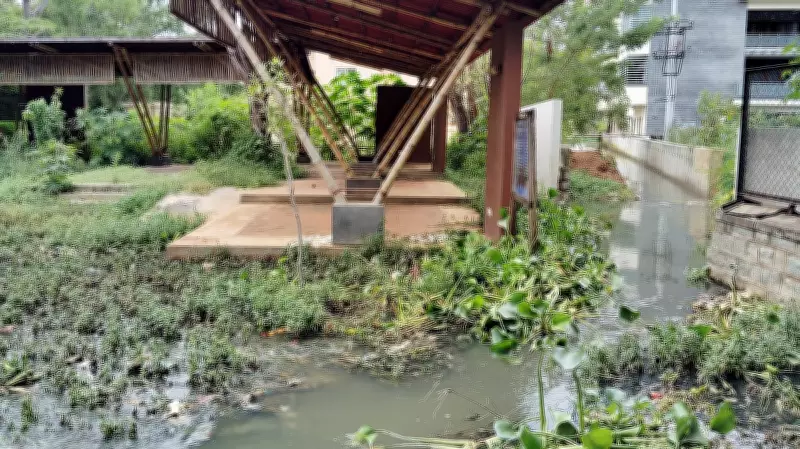
KSPCB Flags Six-Month Timeline to Divert Sewage from Yelahanka Puttenahalli Lake
The Karnataka State Pollution Control Board (KSPCB) has officially flagged a critical six-month timeline for diverting sewage from the environmentally sensitive Puttenahalli Lake in Yelahanka, Bengaluru. This development comes amid growing concerns over water pollution and ecological damage in the region.
Trust Raises Concerns Over Pipeline Construction Within Lake Boundary
The local trust responsible for the lake's conservation has strongly questioned the proposal to build pipelines directly within the lake boundary. They expressed significant concern that such construction could lead to permanent damage to the lake's ecosystem, potentially affecting its biodiversity and water quality for years to come.
The trust argued that alternative methods should be explored to avoid any physical intrusion into the lake area, emphasizing the need for sustainable solutions that prioritize environmental protection.

Officials Convince Tribunal to Permit Pipeline Construction
Despite these objections, KSPCB officials successfully convinced the environmental tribunal to grant permission for the pipeline construction. They presented technical justifications and emergency measures highlighting the urgent need to address the sewage inflow that has been plaguing Puttenahalli Lake.
Officials emphasized that the six-month timeline is crucial to prevent further contamination and restore the lake's health. They assured that all necessary precautions would be taken during construction to minimize environmental impact.
Balancing Environmental Protection and Infrastructure Needs
This situation highlights the ongoing challenge in urban environmental management: balancing immediate infrastructure needs with long-term ecological preservation. The KSPCB's six-month deadline reflects the urgency of addressing sewage issues in Bengaluru's water bodies, while the trust's concerns underscore the importance of careful planning in sensitive ecosystems.
The decision to proceed with pipeline construction within the lake boundary, despite objections, sets a precedent for how environmental authorities navigate competing priorities in urban conservation efforts.
As Bengaluru continues to grapple with water management challenges, the Puttenahalli Lake case serves as a crucial test case for implementing effective pollution control measures while respecting ecological boundaries.