Understanding the Iranian Revolutionary Guard Corps (IRGC)
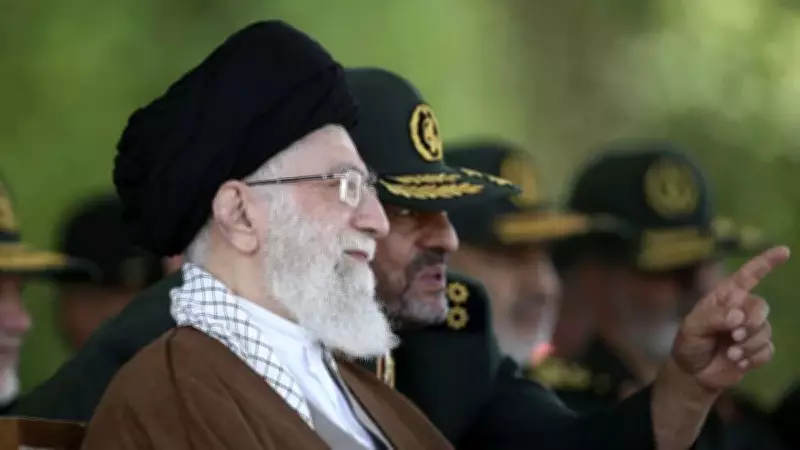
The Iranian Revolutionary Guard Corps, commonly known as the IRGC, is a powerful military and political force in Iran. Established in 1979 after the Islamic Revolution, it operates independently from Iran's regular armed forces and reports directly to the Supreme Leader. The IRGC is tasked with protecting the country's Islamic system and has significant influence over Iran's economy, politics, and security apparatus.
Structure and Functions of the IRGC
The IRGC is divided into several branches, including the Ground Forces, Aerospace Force, Navy, and the elite Quds Force, which handles extraterritorial operations. Its responsibilities extend beyond traditional military duties to include intelligence gathering, cyber warfare, and oversight of Iran's nuclear program. The IRGC also controls vast business interests, such as construction, oil, and telecommunications, making it a key economic player.
The Death of Ayatollah Ali Khamenei and Its Implications
With the passing of Supreme Leader Ayatollah Ali Khamenei, Iran faces a period of uncertainty. As the highest authority in Iran, Khamenei's death creates a power vacuum that could destabilize the nation. The IRGC is expected to play a pivotal role in this transition, ensuring continuity and preventing internal conflicts. Its loyalty to the Islamic Republic's principles positions it as a stabilizing force during this critical time.

Can the IRGC Save Iran After Khamenei's Death?
The IRGC's ability to maintain stability in Iran post-Khamenei depends on several factors. Firstly, its unity and internal cohesion will be tested as different factions may vie for influence. Secondly, the IRGC must navigate potential challenges from reformist groups and external pressures, such as international sanctions. While the IRGC has the military and economic resources to assert control, its success hinges on managing political dynamics and public sentiment effectively.
Challenges and Opportunities for the IRGC
In the aftermath of Khamenei's death, the IRGC faces both challenges and opportunities. On one hand, it must address domestic unrest and economic hardships that could undermine its authority. On the other hand, this period offers the IRGC a chance to consolidate power and shape Iran's future direction. Its actions in the coming months will be crucial in determining whether Iran remains stable or descends into turmoil.
Key Points to Remember:

- The IRGC is a multifaceted institution with military, political, and economic roles.
- It reports directly to the Supreme Leader and is central to Iran's security framework.
- Following Khamenei's death, the IRGC is key to preventing instability in Iran.
- Its effectiveness will depend on internal unity and handling of external pressures.