

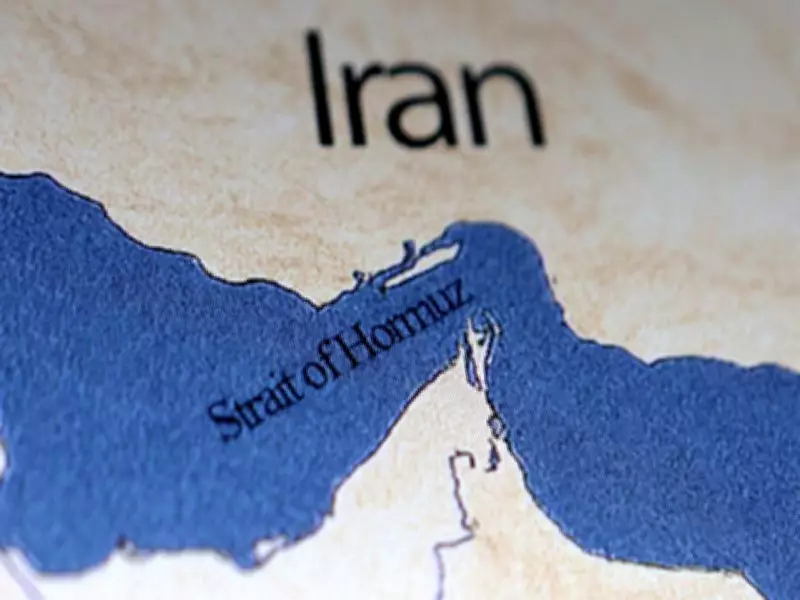
Iran to Prioritize Strait of Hormuz Passage for Vessels That Pay Fees
In a significant move affecting global maritime trade, Iran has announced that it will prioritize the passage of vessels through the strategic Strait of Hormuz for those that pay fees. This decision comes amid ongoing regional tensions and highlights Iran's efforts to assert control over one of the world's most critical oil shipping routes.
Details of the New Policy
The Iranian government has stated that vessels seeking to transit the Strait of Hormuz will now be subject to a fee-based system. Ships that comply with the payment requirements will receive priority access, potentially reducing transit times and ensuring smoother navigation through the narrow waterway. This policy is part of Iran's broader strategy to enhance its maritime security and generate revenue from the heavy traffic in the region.
The Strait of Hormuz is a vital chokepoint for global oil shipments, with approximately one-fifth of the world's oil supply passing through it daily. Iran's control over this area gives it considerable leverage in international trade and geopolitics. By implementing fees, Iran aims to capitalize on this strategic advantage while addressing security concerns in the volatile region.

Implications for Global Trade and Security
This announcement has raised concerns among international shipping companies and oil-importing nations. The imposition of fees could lead to increased costs for global trade, as vessels may pass on these expenses to consumers. Additionally, there are fears that this move could escalate tensions with other countries, particularly those reliant on the free flow of oil through the strait.
Experts warn that such policies might disrupt the delicate balance of maritime security in the Middle East, potentially leading to conflicts or retaliatory measures. The international community is closely monitoring the situation, with calls for diplomatic solutions to ensure the strait remains open and secure for all vessels.
Regional and International Reactions
Reactions to Iran's decision have been mixed. Some regional players view it as a legitimate exercise of sovereignty, while others see it as a provocative act that could destabilize the area. International bodies, including the United Nations, are likely to discuss the implications of this policy in upcoming meetings, focusing on maintaining freedom of navigation in accordance with international law.
In summary, Iran's move to prioritize fee-paying vessels in the Strait of Hormuz marks a pivotal development in global maritime affairs. It underscores the intersection of economic interests and security dynamics in a region crucial to the world's energy supply. As events unfold, stakeholders will be watching for further updates and their impact on international trade routes.






