

Ice Calving: Nature's Majestic Yet Terrifying Cry on Climate Change
Amid the chilling silence of some of the coldest places on Earth, nature makes itself heard with a force that is both awe-inspiring and alarming. A colossal iceberg breaks into pieces with incredible power before crashing into the waters below with a loud splash, creating a spectacle that captivates and concerns observers worldwide. This process, known as ice calving, may appear as a fascinating natural event, but it tells a more complex and urgent tale about our planet's changing climate.
The Phenomenon of Ice Calving
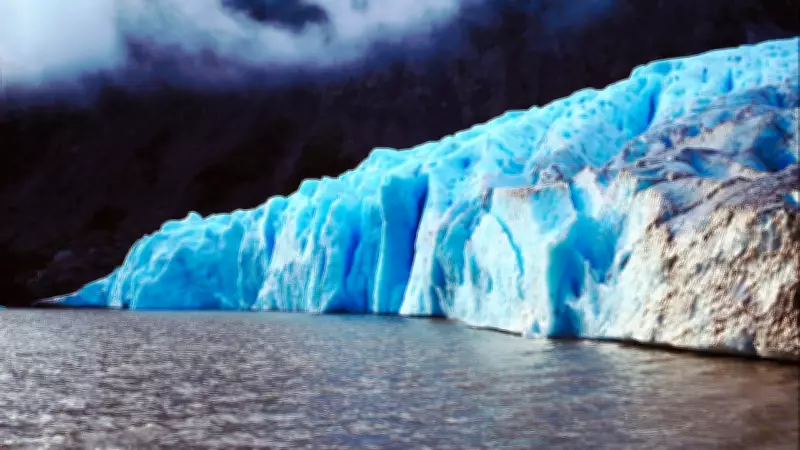
Ice calving occurs when sizable ice blocks break free from glaciers and fall into the sea or a lake. These blocks can range from very small fragments to chunks as huge as an entire building, and it is considered a natural occurrence throughout the life of glaciers. One of the most famous sites for witnessing this dramatic event is the Perito Moreno Glacier in Argentina, where ice falls at regular intervals in a style that is both breathtaking and intimidating. Visitors often hear loud cracks echoing through the area before seeing massive ice chunks plunge into the blue-green waters, highlighting the raw power of nature.
Causes and Accelerating Factors
Although ice calving is a natural process, it is influenced by various conditions that have been exacerbated in recent times. Key factors include warm temperatures, which lead to surface melting and weaken glacier stability; warm water that erodes glaciers from beneath, causing instability; and pressure buildup from the constant movement of glaciers. Climate change has emerged as a significant catalyst, with rising global temperatures accelerating glacier melt and increasing the frequency and intensity of ice calving events. This acceleration is not just a minor shift but a stark indicator of broader environmental changes.

Why It Is Both Beautiful and Terrifying
The spectacle of ice calving is undeniable, offering a magnificent display of natural forces at work. However, beyond its beauty lies a grave warning. Ice calving is a primary mechanism of glacier mass loss, and the faster it occurs, the greater the impact on our planet. This leads to several alarming developments, such as increasing sea levels as lost glacial ice adds water to the oceans, disturbance of aquatic ecosystems due to influxes of cold freshwater, and depletion of freshwater supplies that millions rely on, as glaciers act as natural reservoirs.
A Visible Sign of Climate Change
Unlike abstract statistics on climate change, ice calving is a phenomenon that can be visualized and heard, making the issue less theoretical and more concrete. Each falling ice block serves as a physical indication that the planet's equilibrium is shifting, sometimes at an alarming pace. Scientists are keenly interested in this process, as it provides insights into the state of glaciers, with accelerated melting in regions like Antarctica and Greenland linked to frequent calving events. This visibility helps bridge the gap between scientific data and public understanding, emphasizing the urgency of addressing climate issues.
The Broader Implications and Need for Discussion
Ice calving is not merely an event confined to distant, icy regions; it is an integral part of the global system with far-reaching effects, including weather changes, rising sea levels, and ecosystem destruction. Discussing it brings science closer to public awareness, fostering a deeper connection to environmental challenges. It also serves as a powerful storytelling tool, where a short video of a glacier calving can convey the situation more effectively than dozens of statistical figures, prompting reflection on what is changing and why. Next time you witness this process, consider not only its beauty but also the loud bang of falling ice as a call to action for our warming world.






