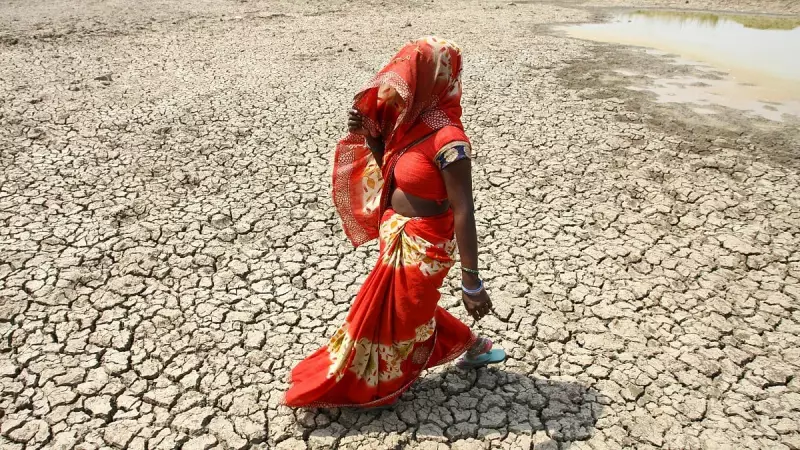
A groundbreaking study has revealed a critical gap in India's approach to managing extreme heat events. Research findings indicate that heatwave action plans must urgently incorporate strategies to address soaring electricity demand during peak temperature periods.
The Missing Link in Heatwave Management
Conducted by energy and climate experts, the study emphasizes that current heat action plans primarily focus on health emergencies and disaster response coordination. However, they largely overlook the massive surge in electricity consumption that accompanies heatwaves, creating a dangerous vulnerability in the country's climate resilience framework.
The research, published on 20 November 2025, argues that governments need to expand their heat management strategies beyond immediate health concerns. As temperatures soar, the demand for cooling solutions including air conditioners, fans, and refrigeration units spikes dramatically, placing immense strain on the power grid.

Beyond Health: The Energy Dimension of Heatwaves
When extreme heat grips regions across India, the subsequent power demand surge can lead to widespread blackouts and brownouts. These electricity disruptions then create secondary crises by disabling the very cooling systems and medical equipment that protect vulnerable populations during heatwaves.
The study highlights that this creates a dangerous feedback loop: higher temperatures drive higher electricity demand for cooling, which can overwhelm power infrastructure and lead to outages that leave people without protection from the heat.
Current heat action plans successfully address direct health impacts through measures like cooling centers and public health advisories. However, the research indicates these measures become significantly less effective if simultaneous power shortages prevent their proper implementation.
Building Comprehensive Climate Resilience
The researchers propose integrating electricity demand forecasting and management directly into heat action plans. This would involve coordinated efforts between health departments, disaster management authorities, and power distribution companies.
Potential strategies include developing targeted demand response programs, implementing time-of-use pricing during heat alerts, ensuring backup power for critical cooling centers and healthcare facilities, and promoting energy-efficient cooling technologies.
The study concludes that a holistic approach combining health protection with energy security is essential for building true climate resilience. As heatwaves become more frequent and intense due to climate change, addressing the electricity demand dimension will be crucial for protecting both public health and economic stability across India.