

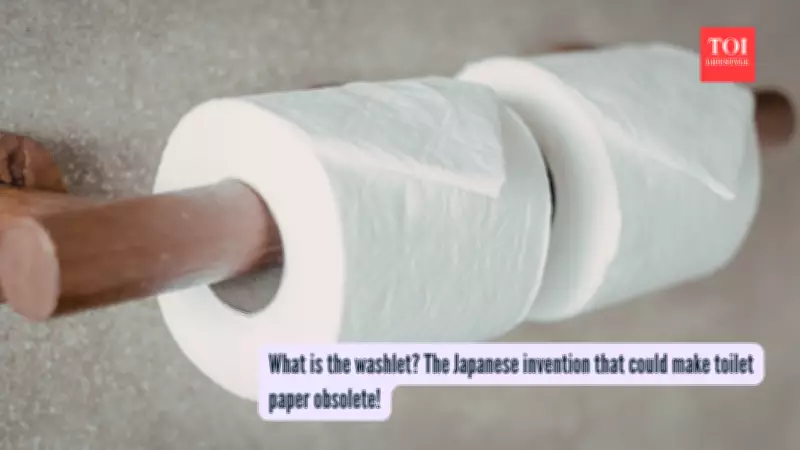
The Hidden Environmental Toll of Toilet Paper
Every year, hundreds of millions of tonnes of toilet paper are consumed globally, accumulating silently on shelves and in waste bins. This commonplace habit, however, carries a substantial hidden cost, exerting immense pressure on vital forest ecosystems, depleting precious water resources, and contributing to broader environmental degradation. The sheer scale of this usage has prompted a growing number of individuals to critically re-evaluate their daily routines and actively seek out cleaner, more sustainable alternatives for personal hygiene.
A Quiet Revolution in Bathroom Habits
For generations, the bathroom ritual has been largely unchanged: flush, reach for the paper roll, and finish. Yet, a significant and quiet transformation is now unfolding in millions of households across the planet. People are increasingly moving away from the traditional method of wiping with paper and embracing the practice of washing with water. At the forefront of this global shift is a single, innovative fixture that is redefining bathroom hygiene.
Introducing the TOTO Washlet
What is the Washlet replacing toilet paper? The TOTO Washlet is an advanced electronic bidet toilet seat designed to cleanse the user with a precise, gentle stream of warm water, eliminating sole reliance on paper. This technology represents a major leap forward in personal care and environmental responsibility.

How the Advanced Bidet Technology Functions
The core mechanism features a strategically positioned nozzle that sprays warm water for thorough anal and genital cleansing. It incorporates separate directional settings to effectively prevent any water from splashing back into the toilet bowl. For optimal hygiene, the nozzles undergo a self-cleaning cycle with warm water both before and after each use. Most models are equipped with a sophisticated seat-presence sensor that automatically halts the spray if no user is detected sitting on the toilet. Many premium Washlet units also offer an array of luxurious features, including heated seats, warm-air dryers, built-in deodorizers, and touchless controls operated via remote or motion sensors. TOTO describes this integrated suite of features as transformative technology that enhances hygiene, design, and wellness.
Global Adoption and Historical Context
This technology is not new; it has been evolving since 1980 when TOTO launched the inaugural Washlet model following extensive research and development. To date, over 70 million units have been sold worldwide. The adoption is particularly profound in Japan, where the Washlet has been a standard fixture in homes for more than four decades, with more than 80 percent of Japanese households now using it regularly. In recent years, adoption has accelerated rapidly in North America and parts of Europe. This surge was notably fueled by the COVID-19 pandemic, which exposed the fragility of global toilet-paper supply chains and encouraged consumers to explore reliable alternatives. Many families now regard bidet seats as a practical home upgrade that seamlessly combines superior hygiene, enhanced comfort, and demonstrable eco-friendliness in one intelligent device.
Understanding the Cost of Bidet Installation
Once perceived as a luxury item, Washlet-style bidets have become increasingly accessible and affordable. Basic bidet attachments that easily fit standard toilets can start at around 40 dollars. Meanwhile, higher-end models featuring advanced functions like precise temperature control and remote operation are often available for under 600 dollars. Installation is typically straightforward, usually taking less than 15 minutes and rarely requiring any special plumbing modifications, making it a convenient upgrade for most homeowners.

The Significant Environmental Cost of Toilet Paper
Bidet systems offer a dramatically reduced environmental footprint compared to traditional toilet paper. A single Washlet cleaning cycle consumes approximately 500 milliliters of water, which is a minuscule fraction of the water required to manufacture just one roll of toilet paper. A pivotal 2021 study published in the Journal of Cleaner Production found that switching to a bidet can reduce the carbon footprint associated with bathroom hygiene by up to 75 percent over time. This substantial saving not only alleviates pressure on overburdened wastewater treatment systems but also significantly lessens the likelihood of problematic clogs caused by paper buildup in aging municipal sewer pipes, presenting a clear win for both personal hygiene and planetary health.





