

Understanding Ethiopia's Volcanic Eruption: A Parent's Guide
As reports confirm that volcanic ash from Ethiopia's recent eruption has reached Delhi NCR, many parents are facing curious questions from their children about this natural phenomenon. Explaining complex geological events to young minds requires simplicity and care.
What Exactly is a Volcano?
A volcano functions like Earth's natural pressure release valve. Imagine a massive mountain containing an underground oven filled with extremely hot, melted rock called magma. When pressure builds up beneath the Earth's surface, similar to shaking a soda bottle, the volcano erupts to release this energy.
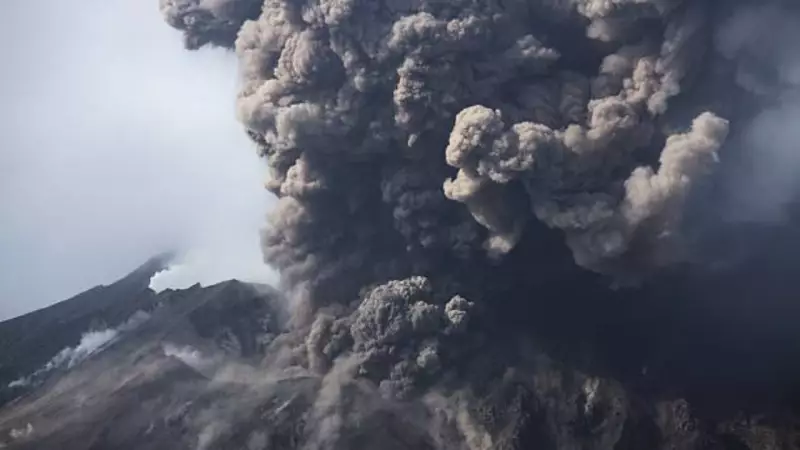
The recent eruption occurred at Ethiopia's Hayli Gubbi volcano, sending ash plumes traveling astonishing distances. When magma reaches the surface and cools, it transforms into what we commonly recognize as lava.

Demystifying Volcanic Ash
Contrary to what the name might suggest, volcanic ash isn't similar to the soft ash from a fireplace. It consists of microscopic fragments of rock and natural glass that explode into the atmosphere during volcanic activity.
Think of it as crushing a hard cookie into the finest powder imaginable, except these particles originate from exploding lava. These tiny fragments are so lightweight that they can remain suspended in air currents, traveling across continents.
Why Ethiopia Experiences Volcanic Activity
Ethiopia's geographical position makes it particularly prone to volcanic events. The country sits directly on the East African Rift, where massive tectonic plates are gradually separating. This geological movement creates pathways for magma to rise toward the surface.
Ethiopia hosts several notable volcanoes, including Erta Ale, famous for its permanent lava lake - essentially a naturally occurring pool of continuously bubbling molten rock. While fascinating to observe from a safe distance, these geological features demand respect and caution.
Impact of Widespread Volcanic Ash
When volcanic ash disperses across large areas, it creates several noticeable effects. The ash particles can:
- Create hazy, gray skies resembling thick fog
- Form a fine layer on surfaces including vehicles, buildings, and vegetation
- Potentially affect air quality and breathing comfort
- Disrupt air travel since ash can damage aircraft engines
The ash plume reaching Delhi illustrates how interconnected our global environment truly is. While the situation requires monitoring, it also presents a valuable educational opportunity for families to discuss Earth's dynamic natural processes.
This event serves as a reminder that our planet is constantly changing and evolving, with geological processes that sometimes cross international boundaries and become visible in our daily lives.






