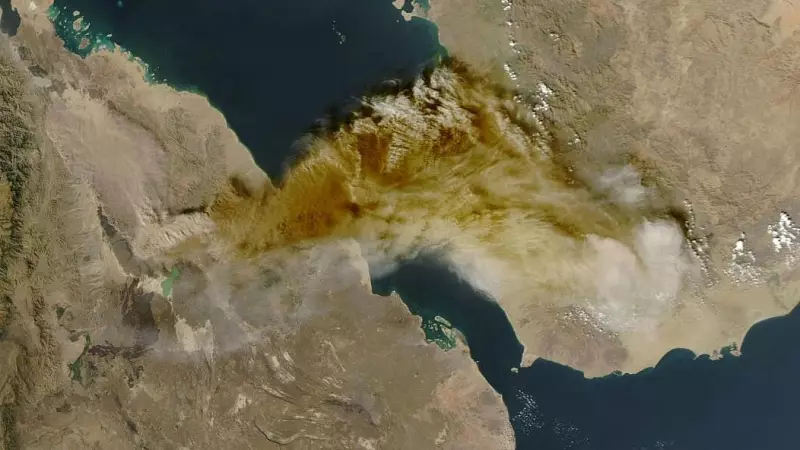
The India Meteorological Department has confirmed that the ash cloud from Ethiopia's volcanic eruption will completely clear Indian airspace by 7:30 PM on Wednesday. This development comes as a relief to air travelers after two days of significant flight disruptions across the country.
Volcanic Eruption Origins and Impact
The massive ash plumes originated from the Hayli Gubbi volcano in Ethiopia, which erupted earlier this week. The volcanic material traveled thousands of kilometers through the upper atmosphere, eventually reaching Indian airspace on Monday and Tuesday. The fine particulate matter created hazardous flying conditions, forcing airlines to cancel or delay numerous flights as a safety precaution.
Flight Operations Gradually Normalizing
Air travel across India experienced considerable disruption during the past two days. Multiple airports reported cascading delays and cancellations as aviation authorities exercised extreme caution. The ash cloud posed serious risks to aircraft engines and navigation systems, compelling airlines to ground flights until the situation improved. Passengers were advised to check with their airlines before heading to airports.

With the IMD's latest update indicating clearing conditions by evening, flight operations are expected to return to normal gradually. Airport authorities have begun implementing recovery plans to handle the backlog of affected passengers and reschedule canceled flights.
Monitoring and Future Precautions
The India Meteorological Department continues to monitor the situation closely using satellite imagery and atmospheric data. Meteorological officials have assured that they will provide regular updates if any new developments occur. The clearing of the ash cloud by 7:30 PM marks a significant improvement in air quality and flight safety conditions across the region.
Aviation experts emphasize that while the immediate threat is passing, such international meteorological events highlight the interconnected nature of global weather patterns and their potential impact on transportation systems thousands of miles away from their origin.