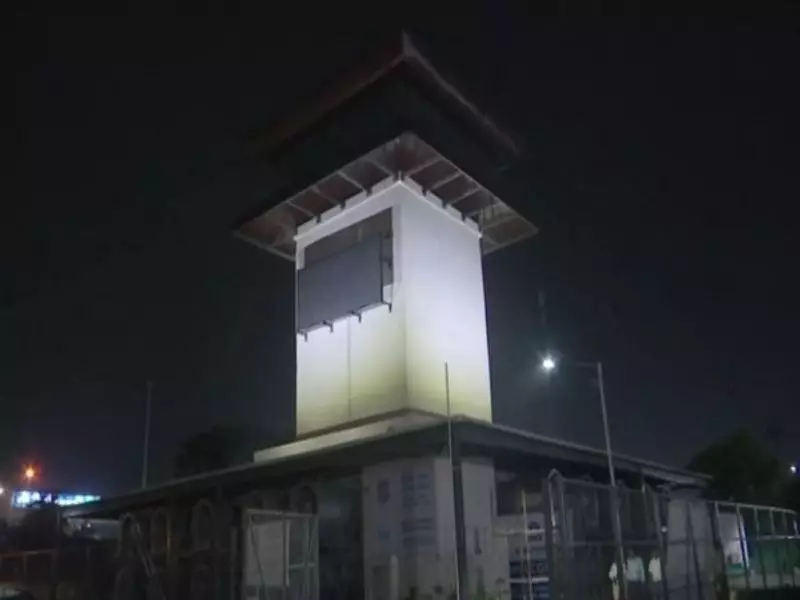
The Central Pollution Control Board has revealed significant findings about Delhi's ambitious smog tower project at Anand Vihar, reporting a 20% reduction in harmful particulate matter while highlighting staggering operational costs exceeding ₹10 lakh per month.
Substantial Pollution Reduction Achieved
According to the comprehensive study conducted by the Central Pollution Control Board (CPCB), the smog tower installed at Anand Vihar has demonstrated measurable success in combating Delhi's notorious air pollution. The tower reduces PM2.5 levels by approximately 20% within a radius of 100 meters, providing localized relief from the dangerous particulate matter that poses serious health risks to residents.
The monitoring data, collected through sophisticated air quality measurement systems, shows consistent performance of the smog tower during its operational periods. This represents a significant achievement in the fight against Delhi's persistent air quality crisis, particularly during the winter months when pollution levels typically spike to hazardous levels.

Staggering Operational Expenses Revealed
While the pollution reduction numbers are encouraging, the financial burden of maintaining the smog tower raises serious questions about the sustainability of such solutions. The operational costs have exceeded ₹10 lakh per month, creating a substantial ongoing financial commitment for the Delhi government and taxpayers.
These expenses include electricity consumption, regular maintenance, filter replacements, and technical staff required to keep the sophisticated air purification system functioning optimally. The high operational cost has sparked debates among environmental experts and policymakers about whether such expensive technological interventions represent the most efficient use of public funds in addressing Delhi's air quality challenges.
Technical Specifications and Performance Metrics
The Anand Vihar smog tower represents one of Delhi's most prominent technological interventions against air pollution. The structure employs advanced filtration technology designed to capture and neutralize harmful particulate matter from the atmosphere.
The system operates by drawing in polluted air, filtering it through multiple stages of purification, and releasing cleaner air back into the environment. The CPCB study meticulously tracked the tower's performance across different weather conditions, times of day, and seasonal variations to provide a comprehensive assessment of its effectiveness.
Monitoring stations placed at various distances from the tower helped researchers determine the precise impact radius and the degree of pollution reduction at different locations. The data confirms that the maximum benefit occurs within the immediate vicinity of the structure, with diminishing effects as distance increases.
Broader Implications for Delhi's Air Quality Strategy
The mixed results from the Anand Vihar smog tower project present both opportunities and challenges for Delhi's broader air quality management strategy. While the demonstrated pollution reduction proves that such technology can make a tangible difference, the high operational costs limit the scalability of this approach across the entire city.
Environmental experts are now weighing the cost-benefit ratio of continuing to invest in smog towers versus allocating resources to other pollution control measures. Some argue that the funds might be more effectively used in addressing pollution at its source through stricter emission controls, improved public transportation, and transitioning to cleaner energy sources.
The Delhi government faces difficult decisions about whether to expand the smog tower initiative or explore more cost-effective alternatives. The experience with the Anand Vihar installation provides valuable data that will inform future policy decisions and technological investments in the ongoing battle against air pollution.

As Delhi continues to grapple with some of the world's worst air quality, the lessons learned from this project will likely influence urban air purification strategies not only in India but in other pollution-plagued cities globally. The balance between technological innovation, financial practicality, and environmental effectiveness remains the central challenge in developing sustainable solutions to this pressing public health issue.