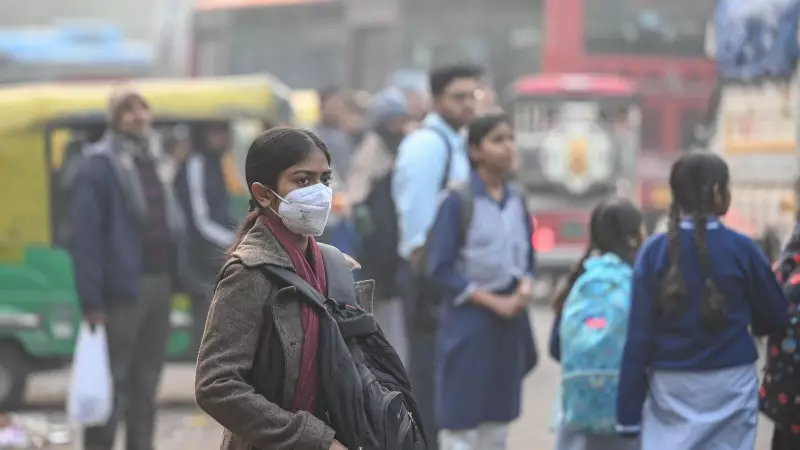
The Commission for Air Quality Management (CAQM) made significant changes to pollution control measures in Delhi-NCR on Wednesday, revoking Stage 3 restrictions of the Graded Response Action Plan while intensifying enforcement of Stage 1 and Stage 2 measures.
What Changes With GRAP Stage 3 Removal
The revocation of GRAP Stage 3 means several key restrictions have been lifted immediately. Inter-state buses from NCR can now enter Delhi, except for those running on conventional diesel. The hybrid mode of schooling for classes up to Standard 5 has also been discontinued with this decision.
However, the relief comes with strengthened enforcement of earlier stages. The CAQM has directed authorities to intensify implementation of GRAP Stage 1 and Stage 2 measures across the capital region.

Enhanced Restrictions Under GRAP Stage 1
The first stage of GRAP now mandates more rigorous enforcement across multiple sectors. Authorities will conduct thorough checks on polluting vehicles and improve traffic management to reduce congestion-related emissions.
Industrial units, power plants, and brick kilns will face stricter emission controls. The ban on open waste burning remains in force, along with limitations on diesel generator use. Restaurants and eateries cannot use coal or firewood for cooking purposes.
Public transport services will continue operating normally, with citizens being encouraged to prefer shared transportation over personal vehicles.
Strengthened Measures Under GRAP Stage 2
The second stage brings additional anti-pollution measures into effect. Mechanized road sweeping operations will increase, along with more frequent use of anti-smog guns and daily water sprinkling on roads to settle dust particles.
The complete ban on coal and firewood extends to all restaurants and hotels in Delhi, including the use of traditional tandoors. Diesel generator sets are prohibited except for emergency and essential services.
All construction and demolition sites facing specific closure orders, along with industrial units with similar directives, cannot resume operations under these enhanced restrictions.
Current Air Quality Situation
Despite these measures, air quality in Delhi and surrounding NCR areas remained concerning on Wednesday. According to air quality tracker aqi.in, the AQI at 9 am registered at 371, placing it in the 'very poor' category.
While this shows improvement from Tuesday's reading of 420 at the same time, the levels remain hazardous for public health. Morning visuals from across Delhi-NCR showed the now-familiar winter scene of toxic smog enveloping parts of the city, reducing visibility and raising health concerns among residents.
The CAQM continues to monitor the situation closely and may implement further measures depending on air quality improvements in the coming days.