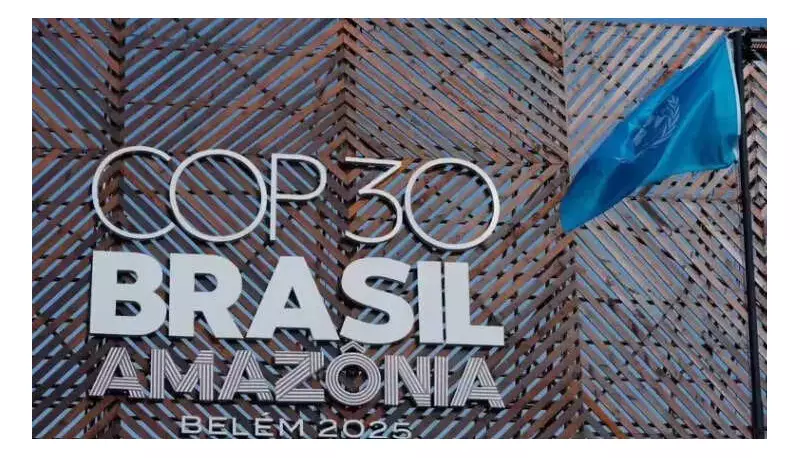
In an unprecedented move for a United Nations climate conference, two massive cruise ships now anchor in the specially expanded port of Belem in northern Brazil, ready to house over 10,000 participants of the upcoming COP30 summit. This innovative accommodation solution addresses the severe room shortage in the Amazon-adjacent city as it prepares to host one of the most significant climate gatherings in recent history.
Creative Solutions for Massive Climate Gathering
The city of Belem, situated at the edge of the Amazon rainforest, expects between 40,000 and 50,000 attendees for the 30th UN Climate Change Conference. This includes heads of state and government from nearly 200 countries who will converge to discuss urgent climate protection measures. The accommodation crisis has sparked remarkable creativity, with everything from converted strip clubs to multi-story steamboats being repurposed to house delegates.
Belem represents a symbolic choice for the climate summit due to its proximity to the Amazon, a region critically important for both regional and global climate stability. However, this vital ecosystem faces severe threats from forest fires, droughts, and changing rainy seasons, while local communities battle an ongoing deforestation crisis. The Amazon region also ranks among Brazil's poorest areas, highlighting the intersection of climate vulnerability and economic disadvantage.

Implementation and Adaptation Take Center Stage
Brazil's President Lula has positioned COP30 as a "conference of truth", emphasizing the need to confront climate reality and take decisive action. The host nation similarly calls it a "conference of implementation" – a crucial focus given that no single country currently meets the requirements to limit global warming to 1.5 degrees Celsius, the target established in the 2015 Paris Agreement.
Climate change adaptation emerges as a key theme in Belem, with vulnerable communities worldwide experiencing increasingly severe climate impacts. Developing countries, which bear disproportionate climate burdens despite contributing least to the problem, are demanding significantly more financial support from wealthy nations. These vulnerable nations also seek to establish clear indicators for measuring adaptation success, as the 1.5°C target currently applies only to mitigation efforts.
The conference faces immediate challenges, with COP President Andre Correa do Lago expressing frustration that fewer than 70 countries had submitted new climate targets by November, despite a September deadline. "We are frustrated," stated Do Lago. "Two deadlines have already passed without countries fulfilling their commitments. That is annoying."
Brazil's Leadership Amid Global Uncertainty
For President Lula's administration, COP30 represents a top priority opportunity to demonstrate Brazil's commitment to sustainable development and assume global climate leadership. The conference occurs against a backdrop of global uncertainty, with trade conflicts, the Ukraine war, and Gaza situation impacting multilateral climate policy. The absence of consistent commitment from major emitters like the United States, which withdrew from the Paris Agreement under Donald Trump, further complicates negotiations.
Brazil will introduce the Tropical Forest Forever Facility, a prestige initiative aiming to raise $125 billion for forest protection. This fund, supported by government money and private investors, will reward countries that implement special forest conservation measures, with at least 20% of payments directed to Indigenous communities. However, observers question how much funding can actually be secured during the Belem negotiations.
Niklas Höhne of Climate Action Tracker emphasizes the importance of having "a host for the negotiations who inspires confidence in all countries." Meanwhile, the diminishing climate ambition of traditional leaders like Germany raises concerns, with experts noting that if the EU doesn't take climate leadership, the void may be filled by China, though its commitment to encouraging global ambition remains uncertain.

As Mohamed Adow of Power Shift Africa summarizes, what the world needs most from Belem is "concrete ambitions, concrete technology transfer, not the usual platitudes." With the cruise ships bobbing in the Amazon River serving as a visible symbol of both the challenges and innovative solutions characterizing this pivotal moment, COP30 represents a critical test of global commitment to genuine climate action.