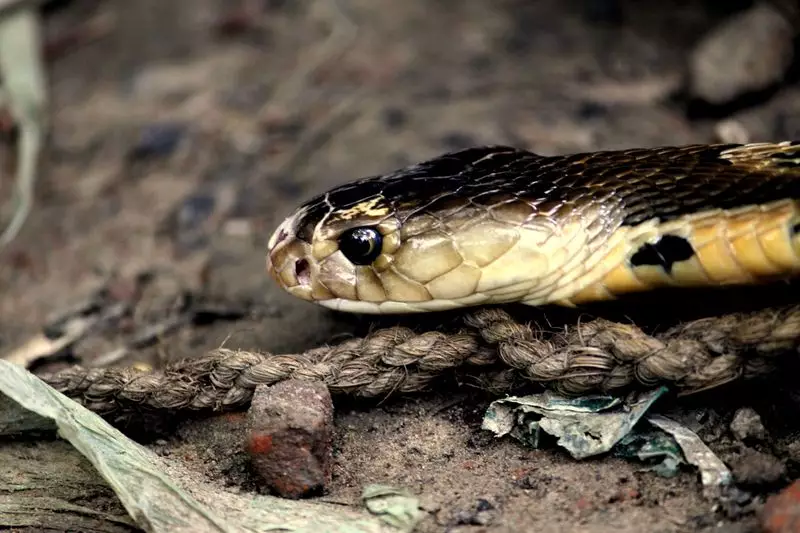
Climate change is dramatically reshaping the geographic distribution of venomous snakes across India, potentially exposing millions more people to snakebite risks according to a groundbreaking new study. The research reveals that rising temperatures and changing weather patterns are forcing these dangerous reptiles to seek new territories, creating unprecedented public health challenges.
Snake Habitats on the Move
A comprehensive study published in the journal Lancet Planetary Health has uncovered alarming shifts in venomous snake hotspots throughout India. Researchers analyzed distribution data for major venomous snake species, including the infamous Big Four responsible for most serious bites: the spectacled cobra, common krait, Russell's viper, and saw-scaled viper.
The research team, led by scientists from the Finnish Museum of Natural History and involving experts from India, examined how climate change projections for 2070 would affect snake habitats. Their findings paint a concerning picture of significant geographic shifts that could bring venomous snakes into closer contact with human populations.

Regional Impacts and Hotspot Changes
The study predicts dramatic changes in snake distribution patterns across different Indian states. Northern states including Punjab, Haryana, and Rajasthan are expected to see substantial increases in habitat suitability for most venomous species. Meanwhile, some southern states might experience reduced suitability, though this doesn't necessarily mean decreased bite risks.
Professor Kartik Sunagar from the Indian Institute of Science, who co-authored the study, emphasized the gravity of these findings. "Climate change is drastically reshaping the geographic distribution of venomous snakes in India," he stated. "These shifts could lead to dramatic changes in snakebite patterns across the country."
The research methodology involved sophisticated modeling techniques that considered various climate scenarios and their potential effects on snake habitats. Scientists examined factors like temperature changes, precipitation patterns, and other environmental variables that influence where snakes can survive and thrive.
Public Health Implications and Future Preparedness
India already bears the world's heaviest snakebite burden, with an estimated 58,000 deaths annually from approximately 1.2 million bites. The changing distribution patterns revealed by this study could significantly alter this public health crisis, potentially putting previously unaffected communities at risk.
The study authors stress the urgent need for proactive public health measures and updated antivenom strategies. As snakes move into new territories, healthcare systems in these regions must prepare for dealing with snakebite cases they haven't typically encountered. This includes training medical professionals, stocking appropriate antivenoms, and educating communities about new risks.
Researchers also highlight that these habitat shifts aren't uniform across all species. Different snakes respond differently to climate changes, meaning some regions might see entirely new combinations of venomous species. This complexity underscores the need for region-specific approaches to snakebite management and prevention.
The study serves as a crucial warning for public health authorities and conservationists alike. Understanding how climate change affects venomous snake distribution is essential for developing effective strategies to protect both human populations and snake species. As temperatures continue to rise, monitoring these shifts will become increasingly important for preventing unnecessary deaths and managing human-wildlife conflicts.