

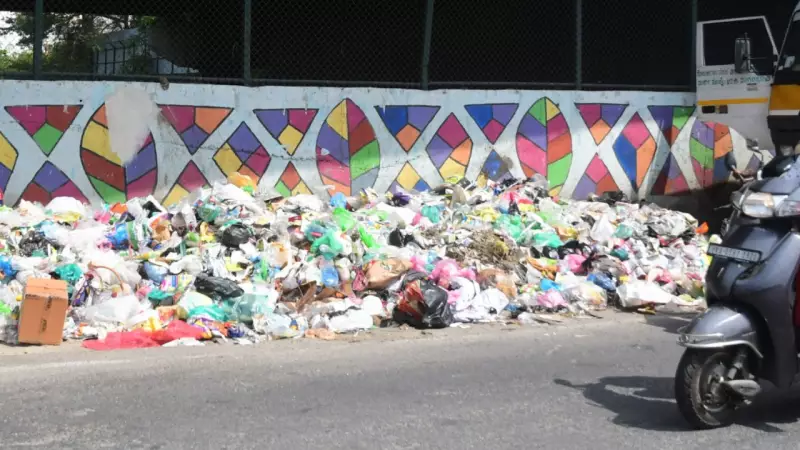
Bengaluru is grappling with an alarming environmental crisis as the city generates approximately 900 tonnes of plastic waste every single day, prompting Chief Minister Siddaramaiah to raise serious concerns about the city potentially turning into a "garbage city."
The Mounting Plastic Problem
Authorities have revealed that Bengaluru produces about 900 tonnes of plastic waste daily, highlighting the severe environmental challenge facing India's technology capital. The Karnataka government has expressed urgent concern over this mounting problem and called for immediate collective action from both citizens and officials to reduce plastic consumption and manage waste more effectively.
This crisis comes at a time when central government reports have ranked Bengaluru alongside Davanagere and Kalaburagi among India's most polluted cities, raising additional alarms about the overall environmental quality in Karnataka's urban centers.

Roadmap to Plastic-Free Bengaluru by 2030
The state government has set an ambitious target to transform Bengaluru into a plastic-free city by 2030. Achieving this goal will require significant efforts in reducing single-use plastics, implementing proper waste segregation systems, and encouraging sustainable habits among residents and industries alike.
Officials have specifically directed Karnataka State Pollution Control Board (KSPCB) authorities to perform their monitoring and enforcement duties diligently and without external pressure. Effective regulatory oversight is considered crucial for ensuring industrial compliance with environmental safeguards while maintaining public safety.
Citizen Participation and Ward-Level Initiatives
Addressing criticisms that Bengaluru is becoming a "garbage city," authorities have emphasized that the solution lies in transforming it into a clean, plastic-free urban center through active citizen involvement and improved waste management initiatives.
Residents have been urged to segregate wet and dry waste at home, as proper segregation is essential for facilitating recycling processes and reducing the burden on landfills. The government has launched a special drive to make 50 wards of Bengaluru free from single-use plastics, highlighting health risks including potential links to cancer and other environmental hazards caused by plastic pollution.
Students and educational institutions have been called upon to actively participate in environmental initiatives, with youth engagement considered critical for building awareness and promoting sustainable habits. Industries have also been reminded of their responsibility to prevent environmental harm, balancing employment generation with proper waste management practices.
The government's comprehensive approach recognizes that environmental responsibility cannot rest solely on authorities, stressing that clean air, water, and surroundings are essential for all life forms and require community-wide participation to achieve meaningful results.






