Karnataka's First AI Thermal Cameras Deployed in Bandipur to Monitor Wildlife
In a groundbreaking initiative for wildlife conservation in Karnataka, forest authorities have installed advanced thermal imaging cameras equipped with artificial intelligence in the Bandipur Tiger Reserve. This marks the first deployment of such technology in the state, specifically implemented in the Gopalaswamy Hills forest range within Mysuru district.
Revolutionary Surveillance Capabilities
The newly installed thermal camera system represents a significant technological leap for forest protection efforts. According to Bandipur director S Prabhakaran, this experimental installation enables unprecedented monitoring capabilities that far exceed traditional methods. The system allows forest protectors to observe wildlife activity across impressive distances - up to 20 kilometers during daylight hours and 5 kilometers during nighttime operations.
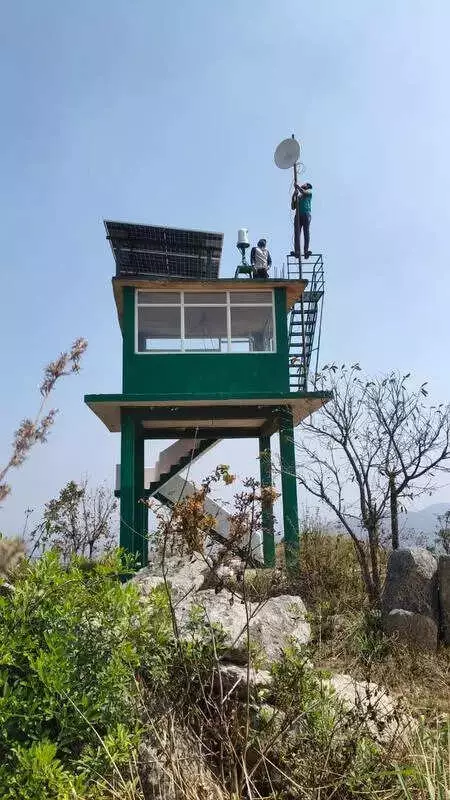
This technological advancement fundamentally transforms how forest officials can track animal movements and respond to potential threats in real-time. The camera has been strategically positioned on the tower of the Mahadeshwara camp, providing comprehensive coverage of the surrounding forest area.

Multi-Purpose Conservation Tool
The thermal imaging system serves multiple critical conservation purposes simultaneously. Its primary objective focuses on tracking wildlife movement, with particular emphasis on monitoring elephant herds that frequently venture near human settlements. The AI-enhanced technology can detect movement even under challenging conditions including low light and adverse weather, ensuring continuous surveillance beyond what conventional patrolling can achieve.
"The key objective is to prevent elephants from entering agricultural fields and damaging crops, thereby reducing conflict between wildlife and local communities," explained Prabhakaran. "This system enables our staff to observe elephant movement directly from the field director's office, significantly improving coordination and decision-making processes."
Comprehensive Protection Benefits
Beyond elephant monitoring, the thermal camera system provides several additional conservation benefits:
- Anti-poaching enhancement: The technology improves detection of suspicious human movement within protected areas, enabling quicker deployment of patrol teams to intercept potential poachers
- Forest fire prevention: By identifying early signs of fire or unusual heat signatures, the system allows for faster response before fires can spread extensively
- Real-time monitoring: The continuous surveillance capability addresses limitations of traditional patrolling methods that cannot provide 24/7 coverage
- Scientific data collection: The technology-driven approach generates valuable data for wildlife research and conservation planning
Ministerial Support and Future Expansion
The installation follows specific directions from Karnataka Forest Minister Eshwar Khandre, who authorized the experimental deployment as part of a broader strategy to strengthen forest protection through scientific and technological measures. The project has been specifically designed as a science-based, technology-driven initiative to enhance real-time monitoring while improving both the speed and accuracy of field responses to various forest challenges.
Based on the initial success observed in Bandipur, forest authorities anticipate expanding this approach to other protected areas across Karnataka. The widespread implementation of similar thermal camera systems is expected to provide substantial benefits for wildlife protection, community safety, and overall forest management throughout the state's diverse ecological regions.
This innovative deployment represents a significant step forward in India's wildlife conservation efforts, demonstrating how modern technology can be effectively integrated with traditional forest protection methods to create more comprehensive and responsive conservation strategies.