

Frogs represent some of nature's most remarkable success stories, with over 5,000 documented species displaying incredible diversity in size, color, and behavior. These amphibians have mastered survival in environments ranging from dense rainforests to arid deserts, yet many now face unprecedented threats to their existence.
Nature's Masters of Disguise and Defense
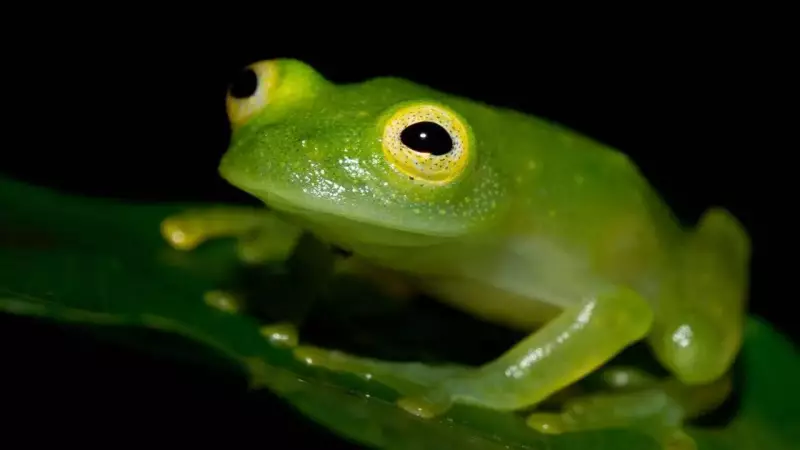
Diane's Bare-Hearted Glass Frog, discovered in Costa Rica in 2015, showcases nature's transparency with its partially see-through skin that reveals internal organs. This inch-long nocturnal creature inhabits humid foothill forests and feeds on small insects, serving as a positive indicator of regional forest health.
The Vietnamese Mossy Frog takes camouflage to extraordinary levels, with green-and-black coloring and bumpy skin that perfectly mimics wet forest moss. When threatened, this northern Vietnam native curls into a ball and plays dead, confusing potential predators.

Argentina's Ornate Horned Frog, commonly called the Pacman Frog, uses its massive mouth and mottled red-green skin to ambush prey while remaining hidden in leaf litter. This six-inch predator consumes everything from lizards to rodents and other frogs.
Extreme Survival Strategies
Papua New Guinea's Paedophryne amauensis holds the title of world's smallest vertebrate at just 0.3 inches. Discovered in 2009, this miniature species skips the tadpole stage entirely, hatching directly as tiny adults adapted to life in leaf litter.
The Desert Rain Frog survives in the harsh coastal regions of Namibia and South Africa by absorbing moisture through a specialized belly patch. Unfortunately, this unique species faces growing threats from urban development and diamond mining activities.
Perhaps most startling is Cameroon's Hairy Frog, nicknamed the Wolverine Frog for its ability to break its own toe bones to create defensive claws that pierce through its skin. Males also develop hair-like structures that enhance oxygen absorption while guarding eggs.
Toxic Treasures and Conservation Concerns
Colombia's Golden Poison Dart Frog ranks among Earth's most toxic animals, carrying enough poison to kill ten adult humans. Indigenous Emberá people have historically used this toxin to coat blowgun darts, though captive-raised frogs lose their toxicity.
The Wallace's Flying Frog of Malaysia and Borneo glides up to 15 meters between trees using extensive foot webbing as natural parachutes, spending nearly its entire life in treetops and descending only to breed.
Venezuela's Pebble Toad employs a unique escape method by curling into a ball and tumbling down rocky slopes when threatened by predators like tarantulas, while the Surinam Toad develops its young in honeycomb-like pockets on the female's back.
Despite their incredible adaptations, frog populations worldwide face severe challenges from habitat destruction, climate change, pollution, and emerging diseases. Understanding these issues helps us appreciate their crucial role in maintaining healthy ecosystems and underscores the urgent need for conservation efforts.






