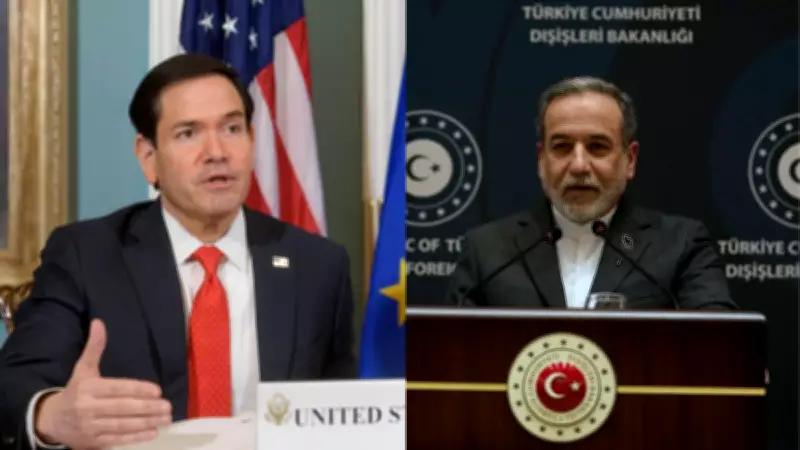
The United States has firmly rejected Iran's conditional plan to reopen the strategic Strait of Hormuz, as the second round of talks between the two nations reached an impasse on Tuesday. The development marks a significant setback in efforts to de-escalate tensions in the vital waterway, through which nearly a fifth of the world's oil passes.
Background of the Talks
The negotiations, mediated by Oman, were aimed at finding a diplomatic solution to the standoff that began when Iran threatened to block the strait in response to US sanctions. The first round of talks, held earlier this month, had raised cautious optimism, but the second round has failed to produce a breakthrough.
Iran's Conditional Proposal
Iran had put forward a proposal that included conditions such as the lifting of certain sanctions and guarantees that Iranian oil exports would not be disrupted. However, US officials deemed these conditions unacceptable, insisting that any reopening of the strait must be unconditional.

US State Department Spokesperson Ned Price said, "We have made it clear that the Strait of Hormuz must remain open and free for navigation. Iran's attempts to link this to sanctions relief are a non-starter."
Impact on Global Markets
The impasse has already rattled global oil markets, with crude prices rising by more than 3% on Tuesday. Analysts warn that a prolonged closure could lead to supply shortages and further price hikes, affecting economies worldwide.
International Reactions
The United Nations has called for restraint and urged both parties to return to the negotiating table. Meanwhile, Gulf states have expressed concern over the potential for military confrontation. Saudi Arabia and the United Arab Emirates have both increased their naval presence in the region as a precaution.
"The situation is extremely volatile," said Dr. Amina al-Jaber, a geopolitical analyst based in Dubai. "Both sides are digging in their heels, and there is little room for compromise at this stage."
Next Steps
Diplomatic sources indicate that while no further talks are scheduled, backchannel communications continue. The US has hinted at the possibility of increasing naval patrols to ensure freedom of navigation, a move that Iran has warned could be seen as an act of war.
The standoff underscores the deep mistrust between Washington and Tehran, and the challenges of finding a diplomatic solution to the broader issues of sanctions and nuclear ambitions.