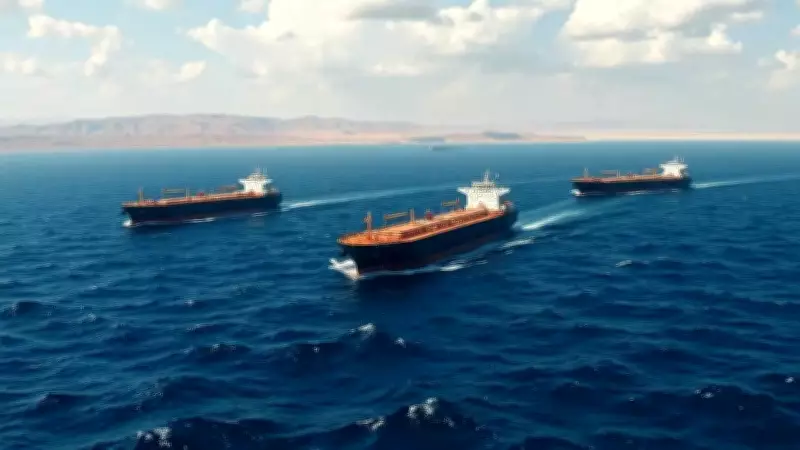
The Strait of Hormuz remains technically open, but commercial shipping is far from normal, according to Anil Devli, chief executive of the Mumbai-based Indian National Shipowners' Association (INSA). With 14 Indian vessels trapped in this chokepoint and Indian ships previously targeted by Iran's Islamic Revolutionary Guard Corps (IRGC), Devli noted that seafarers are understandably hesitant.
Current Situation in the Strait
"Technically, Hormuz is open. Vessels are transiting, but for commercial traffic, the risks are still immense," Devli told TOI. He explained that while some neutral-flag vessels are moving with Iran's tacit permission or US protection, normal traffic has effectively halted. Ships currently transiting are doing so on "borrowed time and borrowed trust."
Impact on Indian Ships and Seafarers
Confidence among Indian seafarers had been building as the first few Indian vessels successfully passed through the strait. However, on April 18, two Indian-flagged vessels—the VLCC Sanmar Herald and the bulk carrier Jag Arnav—came under fire from IRGC boats. An audio recording captured the Sanmar Herald's radio plea: "Sepah Navy! You gave clearance—I'm second on your list. You're firing now! Let me turn back!"

This incident prompted India to raise the matter with the Iranian ambassador regarding the safety of its mariners, but the confidence among Indian seafarers—already fragile—cratered. "'You yourselves cleared me,' the captain was heard on the radio telling the Iranians. That tells you the level of uncertainty that the seafarers on board vessels transiting the strait are dealing with," said Devli.
Disruptions and Stabilization
During the peak of hostilities last month, supplies, food deliveries, and basic services for Indian seafarers and crew members were disrupted. However, Devli noted that this situation has since stabilized. India has so far facilitated the movement of eight LPG vessels through the strait.
About the Author: Ismat Ara, at The Times of India, covers politics, people, and societies, with a focus on accountability, justice, and lived experience. Shaped by years of rigorous reporting across cities, small towns, and remote villages, she is drawn to the human stories tucked beneath policy and paperwork.