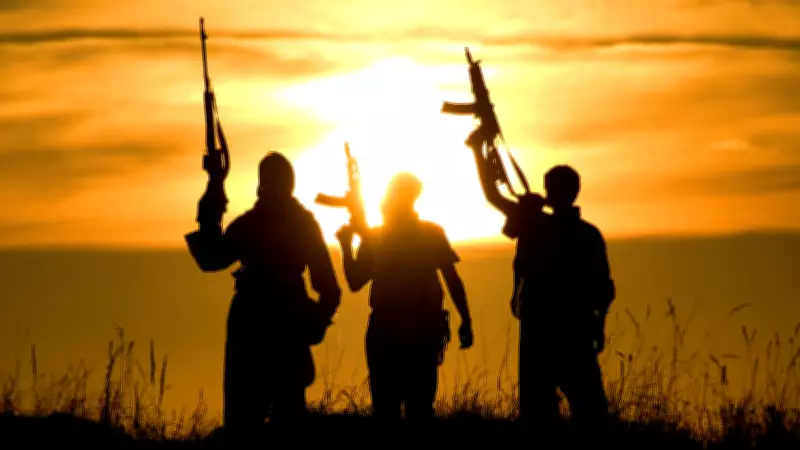
Al-Qaeda-linked insurgents have issued a call for Malians to rise up and establish Sharia law across the country, escalating tensions in the already volatile Sahel region. The appeal, made by the Group for Support of Islam and Muslims (JNIM), an alliance of jihadist groups affiliated with Al-Qaeda, urges citizens to reject the transitional government and implement strict Islamic governance.
Background of the Insurgency
Mali has been grappling with a jihadist insurgency since 2012, when Tuareg rebels and Islamist militants seized control of the northern regions. Despite French military intervention in 2013 and the presence of UN peacekeepers, insurgent groups have continued to expand their influence, particularly in rural areas. The JNIM, formed in 2017, has been responsible for numerous attacks on Malian and international forces.
Call for Uprising
In a recent statement, JNIM leader Iyad Ag Ghaly called on Malians to join the jihad and overthrow the current government, which he described as corrupt and un-Islamic. The group aims to establish a state governed by strict Sharia law, similar to the brief reign of Ansar Dine in 2012. The call comes amid political instability following the 2020 coup that ousted President Ibrahim Boubacar Keita and the subsequent transitional government.

Regional Implications
The resurgence of jihadist activity in Mali poses a significant threat to regional stability. Neighboring countries such as Burkina Faso and Niger have also experienced increased attacks, leading to a humanitarian crisis with millions displaced. International efforts, including the French Operation Barkhane and the G5 Sahel joint force, have struggled to contain the insurgency.
Challenges for the Transitional Government
Mali's transitional government, led by Colonel Assimi Goita, faces immense pressure to restore security and hold elections. However, the government's legitimacy is questioned by both domestic and international actors, and its ability to counter the jihadist threat remains limited. The call for an uprising further undermines the government's authority and could incite more violence.
Humanitarian Crisis
The ongoing conflict has exacerbated humanitarian conditions in Mali, with over 1.3 million people internally displaced and 8.8 million in need of assistance, according to the UN. The imposition of Sharia law could further restrict freedoms, particularly for women and minorities, and worsen the crisis.
International Response
The international community has condemned the call for insurrection, with the UN and African Union reiterating their support for the transitional government. France, which has announced a reduction of its military presence in the Sahel, continues to emphasize the need for a political solution. However, the effectiveness of these efforts remains uncertain as jihadist groups gain momentum.
In conclusion, the call by Al-Qaeda-linked insurgents for Malians to rise up and establish Sharia law represents a significant escalation in the country's long-running conflict. The transitional government and international partners must urgently address the root causes of the insurgency to prevent further destabilization.