

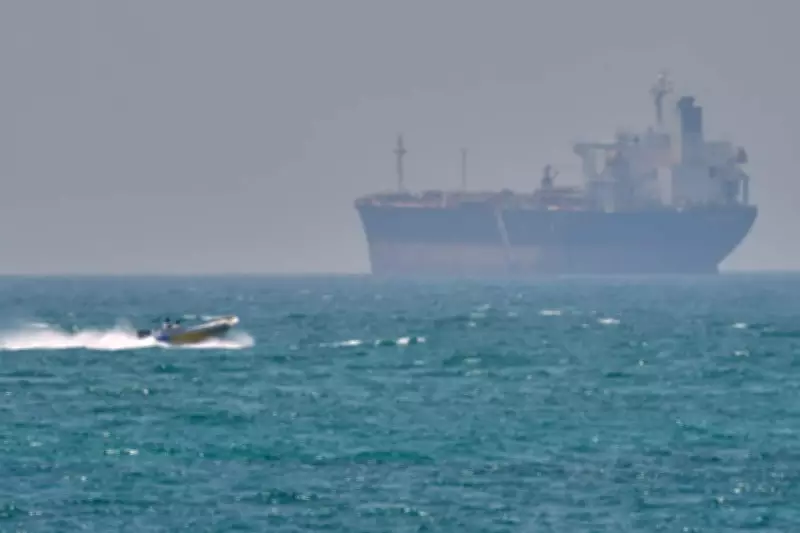
In a significant geopolitical development, Pakistan has announced the opening of six new land routes to Iran, a move that appears to counter the United States' efforts to isolate Tehran amidst the ongoing Hormuz blockade crisis. The decision was revealed by Pakistani officials on Thursday, marking a bold step in strengthening bilateral ties between Islamabad and Tehran.
Strategic Implications of the New Routes
The newly established routes are expected to facilitate trade and transit between the two neighboring countries, bypassing traditional maritime routes that have been under strain due to the blockade. This initiative not only enhances economic cooperation but also signals Pakistan's independent foreign policy stance, despite pressure from Washington.
Details of the Routes
According to sources, the routes will connect various border points, including Taftan, Mand, and Chagai, with Iranian counterparts. The move is anticipated to boost cross-border trade, which has been limited in recent years. Pakistani Commerce Minister stated, "These routes will open new avenues for trade and people-to-people contact, benefiting both nations."

Reactions from the International Community
The announcement has drawn mixed reactions. While Iran welcomed the decision as a step towards regional cooperation, the United States expressed disappointment. A US State Department spokesperson said, "We urge Pakistan to reconsider actions that could undermine global efforts to maintain peace and security in the region."
Pakistan's Balancing Act
Pakistan has historically maintained a delicate balance between its ties with the US and its relationship with Iran. This latest move could be seen as a response to recent tensions with Washington over various issues, including the alleged use of Pakistani soil for terrorist activities. Analysts suggest that by opening these routes, Pakistan is asserting its sovereignty and diversifying its economic partnerships.
Impact on the Hormuz Blockade
The Hormuz blockade, imposed by the US and its allies, aims to restrict Iran's oil exports. However, the new land routes could provide an alternative channel for Iranian goods, potentially mitigating the blockade's impact. This development may also encourage other regional players to explore similar options, further isolating the US strategy.
Economic Benefits for Pakistan
For Pakistan, the routes offer significant economic advantages. They are expected to reduce transportation costs and time for goods moving between South Asia and the Middle East. Additionally, Pakistan can earn transit fees and strengthen its position as a regional trade hub. Local businesses in border areas are likely to benefit from increased cross-border activity.
Conclusion
Pakistan's decision to open six new land routes to Iran is a clear message that it will pursue its national interests independent of external pressures. As the geopolitical landscape evolves, this move could reshape alliances and trade patterns in the region. The coming months will reveal how the US responds and whether other nations follow Pakistan's lead.






