Massive Construction Pipe Violently Erupts in Central Osaka
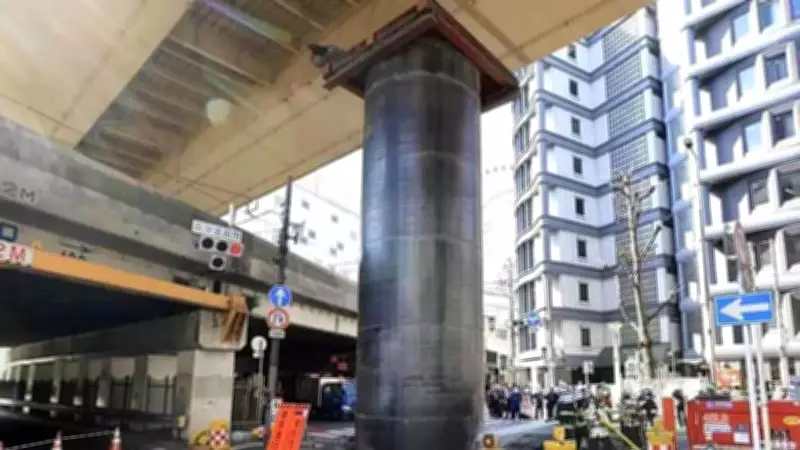
Commuters in Osaka's bustling Kita Ward experienced a startling and disruptive morning on March 11 when a gigantic steel pipe unexpectedly burst through the road surface near the busy Osaka-Umeda Station. The incident occurred at approximately 6:50 AM, sending the massive infrastructure component shooting nearly 13 meters into the air and creating immediate chaos in the area.
A Sudden and Loud Geological Event
Witnesses reported hearing a loud "dull boom" as the 27-meter-long pipe violently emerged from beneath the Shin-Midosuji elevated highway. The force of the eruption scattered pieces of asphalt across the roadway and surrounding area, creating a hazardous situation for early morning pedestrians and motorists. Fortunately, despite the dramatic nature of the event, no injuries were reported among the startled passersby.
Emergency services responded swiftly to the scene. Police quickly established security perimeters and sealed off affected areas to ensure public safety, while firefighters initiated a controlled response by pumping water into the pipe to gradually increase its weight and stabilize the situation.

Technical Specifications and Project Background
The erupting pipe was a substantial piece of construction infrastructure with impressive dimensions:
- Length: 27 meters (approximately 88.5 feet)
- Diameter: 3.5 meters (approximately 11.5 feet)
- Weight: Approximately 56 tonnes
This massive steel tube was part of an ongoing construction project designed to connect a municipal sewer line with a dedicated rainwater storage system. The project aimed to improve Osaka's water management infrastructure, but the dramatic failure created significant operational challenges.
Investigating the Probable Cause: Buoyancy Forces
While authorities continue their formal investigation into the exact cause of the pipe eruption, preliminary assessments point toward groundwater buoyancy as the likely mechanism. The theory suggests that groundwater accumulated inside the large-diameter pipe, significantly reducing its effective weight relative to the surrounding soil.
This buoyancy effect may have overcome the natural resistance of the soil and pavement materials, creating upward pressure that eventually forced the massive pipe through the road surface. The incident occurred after witnesses observed concrete debris falling from the construction site, potentially indicating initial structural stress before the full eruption.
Immediate Aftermath and Transportation Impact
The pipe eruption created substantial disruption in one of Osaka's busiest commercial and transportation districts. The area around Umeda Station experienced significant traffic congestion as authorities restricted access to ensure public safety and allow for emergency response operations.
Commuters faced unexpected delays and rerouting during the morning rush hour, highlighting the vulnerability of urban infrastructure to unexpected geological and engineering failures. The incident serves as a reminder of the complex challenges involved in underground construction projects in densely populated urban environments.
As investigation continues, authorities will likely review construction protocols and groundwater management strategies to prevent similar incidents in future infrastructure projects throughout Osaka and other Japanese cities facing similar geological conditions.