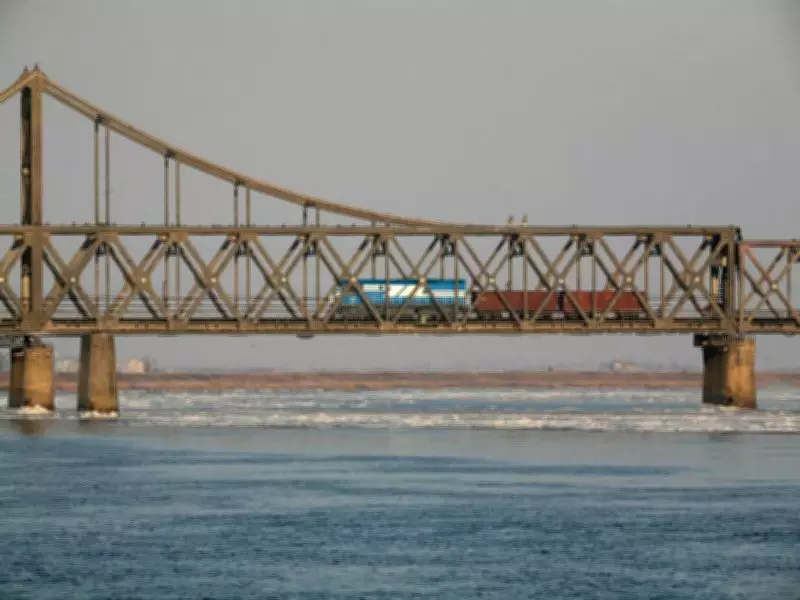
North Korea-China Rail Link Restored After Six-Year Pause
In a notable development for regional connectivity, a train from North Korea has successfully reached Beijing, China, for the first time in six years. This event signals the potential revival of regular cross-border rail services between the two neighboring countries, which had been largely suspended due to stringent pandemic-related restrictions and geopolitical tensions.
Details of the Train's Arrival
The train, which departed from North Korea, arrived at a station in Beijing, marking a symbolic milestone in bilateral relations. This journey represents the first such direct rail connection since services were halted in 2018, primarily as a result of the COVID-19 pandemic and North Korea's strict border controls aimed at preventing the spread of the virus.
Historical Context and Significance

Prior to the suspension, rail links between North Korea and China were a crucial component of trade and diplomatic exchanges. China has long been North Korea's largest trading partner and a key ally, providing essential economic support and facilitating limited international engagement for the isolated regime. The resumption of this train service could indicate a gradual easing of North Korea's isolationist policies, potentially opening avenues for increased economic activity and people-to-people contacts.
Implications for Regional Dynamics
The arrival of the train in Beijing may have broader implications for Northeast Asia's geopolitical landscape. Analysts suggest that this move could be part of efforts to strengthen ties between Pyongyang and Beijing, especially as North Korea seeks to navigate international sanctions and economic challenges. It also aligns with China's Belt and Road Initiative, which aims to enhance infrastructure connectivity across Asia, though North Korea's participation has been limited in recent years.
Potential Benefits and Challenges
- Economic Revival: Resumed rail services could boost trade, particularly in goods such as minerals and agricultural products, benefiting both economies.
- Diplomatic Thaw: This development might pave the way for more frequent diplomatic engagements and cooperation on regional issues.
- Health and Security Concerns: Authorities will likely maintain strict health protocols to prevent any resurgence of COVID-19, given North Korea's vulnerable healthcare system.
While the exact schedule and frequency of future train services remain unclear, this initial journey is seen as a positive step toward normalizing cross-border travel. Observers will be closely monitoring subsequent developments to assess whether this leads to a sustained reopening or remains a limited, symbolic gesture.