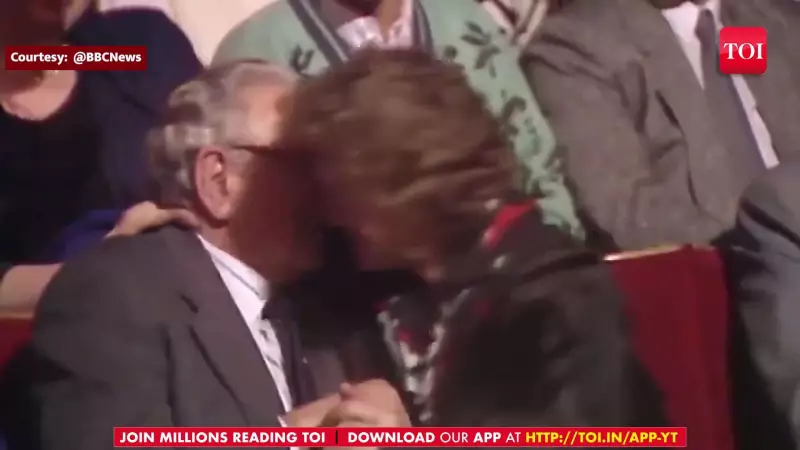
A decades-old television clip from the BBC programme That's Life! featuring British humanitarian Nicholas Winton has resurfaced online, capturing hearts and minds across social media platforms. Originally aired in 1988, this powerful footage continues to evoke deep emotional responses from viewers of all generations, serving as a timeless testament to human compassion and courage.
The Emotional Moment That Still Resonates
The clip immortalizes a profoundly moving moment when Nicholas Winton discovers that several members of the studio audience were among the 669 Jewish children he helped rescue from Nazi-occupied Czechoslovakia just before the outbreak of the Second World War. His humble reaction and the overwhelming gratitude of the survivors create a scene that transcends time, reminding us of the individual lives saved through his selfless actions.
Why This Clip Keeps Returning to Public Consciousness
Despite being over three decades old, this BBC archive material maintains remarkable relevance in today's digital age. It frequently circulates on social media, particularly around Holocaust Remembrance Day, when the world pauses to honor victims and heroes of that dark period. Additionally, the clip gains traction during contemporary debates about refugees and migration, offering a poignant historical parallel to current global challenges.

Educators and historians emphasize that this footage provides more than just historical documentation; it offers a powerful, humanizing perspective on the Holocaust. By focusing on one man's extraordinary efforts and the tangible impact on real children, it makes the immense tragedy of the Holocaust accessible and emotionally resonant for new generations who might otherwise view it as distant history.
The Legacy of Nicholas Winton's Humanitarian Work
Nicholas Winton's story represents one of the most remarkable rescue missions of the 20th century. Operating quietly and without seeking recognition, he organized the Kindertransport that transported 669 predominantly Jewish children from Czechoslovakia to safety in Britain in 1939. For nearly fifty years, his actions remained largely unknown until his wife discovered documentation of his efforts, leading to the BBC programme that would eventually make him a global symbol of humanitarianism.
Contemporary Relevance in Global Discourse
The recurring popularity of this clip underscores how historical narratives can inform present-day discussions about compassion, responsibility, and human rights. As nations worldwide grapple with questions about refugee policies and humanitarian interventions, Winton's example serves as both inspiration and moral compass, demonstrating how individual action can create ripples of salvation across generations.
Social media platforms have transformed this archival footage into a viral phenomenon, allowing it to reach audiences far beyond its original broadcast. The emotional authenticity of the moment—capturing surprise, gratitude, and the weight of history—makes it particularly shareable in an era where visual storytelling dominates digital communication.
This enduring digital life of the BBC clip ensures that Nicholas Winton's legacy continues to educate and inspire, proving that stories of courage and compassion never truly fade but instead find new relevance with each passing generation and each new wave of global challenges.