Nepal Braces for Landmark General Elections Amid High Political Stakes
Nepal is on the brink of a monumental democratic event as it gears up for its upcoming general elections, which are poised to shape the nation's political landscape for years to come. The electoral process is characterized by an unprecedented scale, with more than 3,000 candidates vying for positions across various constituencies. This massive participation underscores the vibrant and competitive nature of Nepal's political arena, reflecting a deep-seated commitment to democratic principles among its citizens and leaders.
Extensive Infrastructure and Logistical Preparations
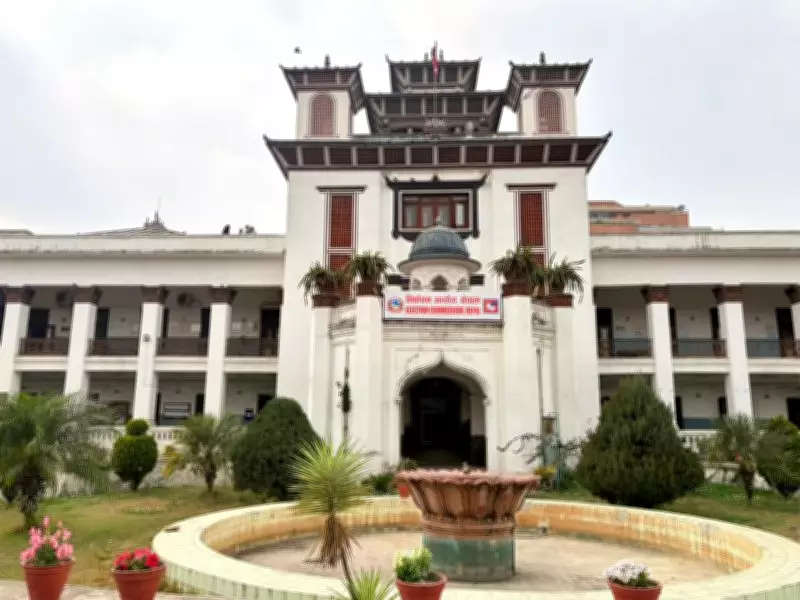
To facilitate this large-scale electoral exercise, authorities have established a vast network of approximately 23,000 polling centers spread throughout the country. These centers are strategically located to ensure accessibility for voters from remote mountainous regions to bustling urban areas, highlighting the government's dedication to inclusive and fair elections. The logistical efforts involve meticulous planning, including security arrangements, voter education campaigns, and the deployment of election officials to manage the smooth conduct of voting.
The high stakes of these elections cannot be overstated, as they will determine the composition of Nepal's federal parliament and provincial assemblies. This outcome is crucial for addressing pressing national issues such as economic development, social welfare, and constitutional implementation. Political parties have been engaged in intense campaigning, leveraging rallies, digital outreach, and grassroots mobilization to sway voter sentiment in their favor.

Key Factors Influencing the Electoral Dynamics
Several factors are shaping the electoral dynamics in Nepal:
- Voter turnout expectations are high, with initiatives aimed at encouraging participation among youth and marginalized communities.
- Security measures have been bolstered to prevent disruptions and ensure a peaceful voting environment.
- International observers are monitoring the process to uphold transparency and credibility.
As the election date approaches, the atmosphere is charged with anticipation, with analysts predicting that the results could lead to significant shifts in governance and policy directions. The successful execution of these elections will reinforce Nepal's democratic institutions and set a precedent for future political processes in the region.