Nepal Deploys Over 300,000 Security Personnel for March 5 Elections
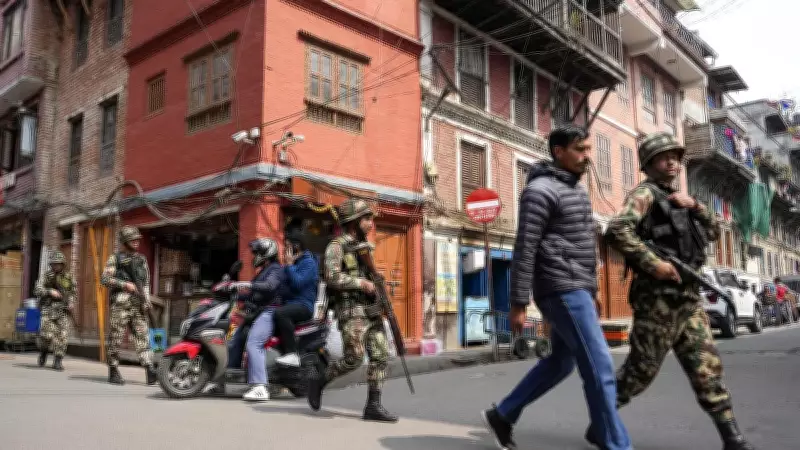
In a major security operation ahead of the upcoming elections, Nepal has mobilized more than 300,000 security personnel to ensure a peaceful and orderly voting process on March 5. This significant deployment underscores the government's commitment to maintaining stability and security during this critical democratic exercise.
Enhanced Security Measures for Polling Day
The security forces, comprising police and other agencies, will be stationed across the country to monitor polling stations and prevent any potential disruptions. Authorities have emphasized that this large-scale deployment is aimed at safeguarding voters and election materials, particularly in sensitive and remote regions where logistical challenges are more pronounced.
Helicopters to Facilitate Ballot Transport
In addition to ground personnel, helicopters will be utilized in several areas to transport ballot boxes to district headquarters. This aerial support is crucial for ensuring that votes from hard-to-reach locations are collected and counted efficiently, minimizing delays and enhancing the integrity of the electoral process.

The use of helicopters highlights the logistical efforts being made to overcome geographical barriers, ensuring that every vote is accounted for in a timely manner. This approach is expected to streamline the post-voting procedures and contribute to a smoother overall election experience.
Context and Implications
This election is a pivotal event for Nepal, as it continues to strengthen its democratic institutions. The deployment of such a substantial security force reflects the importance placed on conducting free and fair elections, which are essential for the country's political stability and development.
By leveraging both ground and aerial resources, Nepal aims to address potential security threats and logistical hurdles, thereby fostering public confidence in the electoral system. The success of this operation could set a precedent for future elections in the region, demonstrating effective planning and execution in challenging environments.