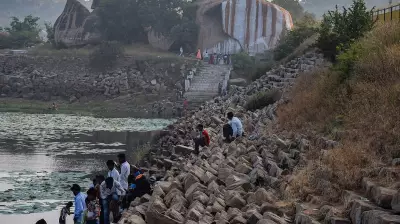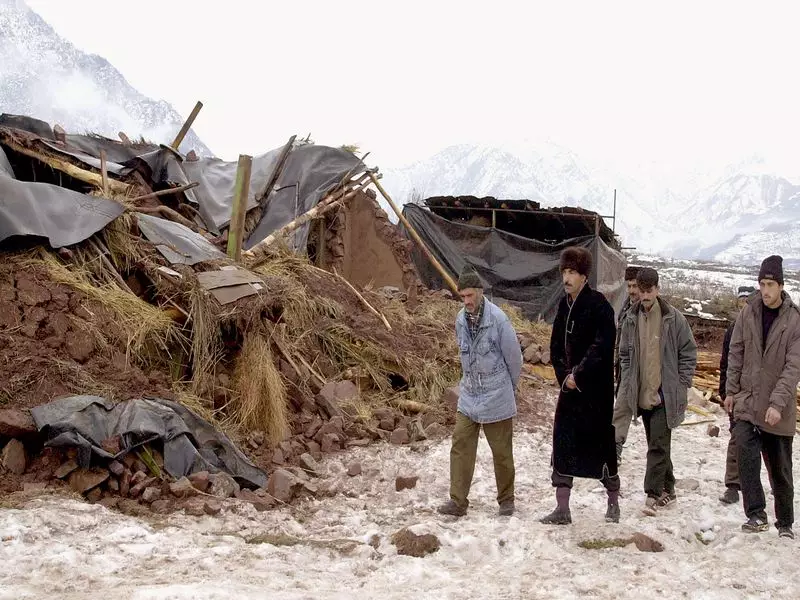
A light earthquake jolted parts of Tajikistan on Saturday, May 18, registering a magnitude of 3.9 on the Richter scale. The seismic event occurred in the Central Asian nation, a region known for its mountainous terrain and tectonic activity.
Details of the Seismic Event
The earthquake's epicenter was located at a depth of 10 kilometers beneath the Earth's surface. According to data from the National Center for Seismology (NCS) in India, the tremors were recorded at 09:40:17 Indian Standard Time (IST). The precise coordinates of the epicenter were 38.62 degrees North latitude and 73.15 degrees East longitude.
Earthquakes of this magnitude are classified as light and are often felt by people indoors, especially on upper floors of buildings. However, they rarely cause significant damage to well-constructed infrastructure.
Regional Context and Seismic Profile
Tajikistan is situated in a seismically active zone, where the Indian and Eurasian tectonic plates converge. This geological setting makes the country and the broader Central Asia region prone to frequent earthquakes. Events like the magnitude 3.9 tremor are relatively common.
Authorities and disaster management agencies in seismically active regions typically monitor such events closely. As of now, there have been no immediate reports of damage to property or loss of life following this particular quake. The relatively moderate depth and magnitude likely limited its impact.
Monitoring and Preparedness
Global seismic monitoring networks, including India's NCS, track earthquakes worldwide in real-time. This data is crucial for understanding seismic patterns and improving early warning systems. For residents in earthquake-prone areas, experts consistently advise:
- Knowing safe spots within homes and workplaces.
- Having an emergency preparedness kit ready.
- Following official guidelines during and after a tremor.
While this event was minor, it serves as a reminder of the dynamic geological forces at play. Continuous monitoring remains essential for the safety of communities in vulnerable regions like Tajikistan.