Japan's Rural Water Revolution: Compact Home Systems Replace Aging Infrastructure
Across the picturesque yet depopulating rural landscapes of Japan, a quiet but significant transformation is unfolding. This shift is not centered on massive public works like dams or extensive pipeline networks. Instead, it is occurring within the very walls of individual homes. In villages grappling with shrinking populations and escalating maintenance expenses, numerous households are now experimenting with compact, self-sufficient water systems that operate independently of traditional public supplies.
The Challenge of Aging Infrastructure
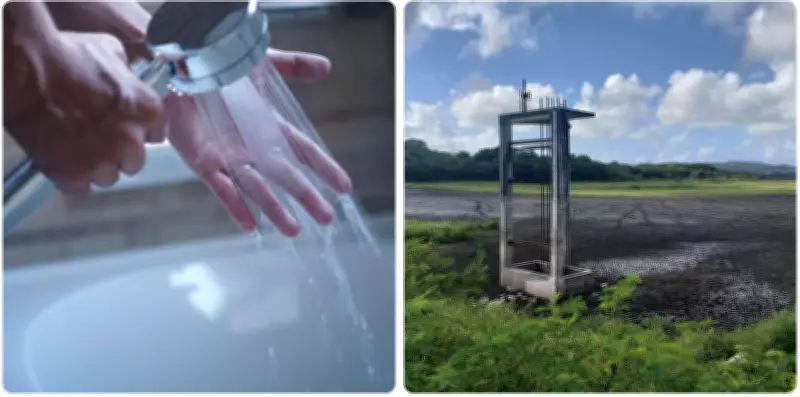
Japan's extensive water infrastructure was originally designed to serve a larger and more densely populated nation. However, in many remote regions, that demographic reality has dramatically changed. Today, kilometers of pipes often serve only a handful of remaining homes, while treatment facilities demand constant upkeep regardless of the dwindling number of connected residents.
Local authorities have increasingly flagged the water supply as a mounting financial burden. Repair costs continue to climb even as overall water usage declines. In some areas, officials have begun to seriously question whether maintaining extensive public networks remains economically viable. This growing skepticism has paved the way for alternative solutions that were once considered temporary or niche.

Compact Units Enable Household Water Independence
One prominent system currently under evaluation is the WOTA BOX, developed by Tokyo-based WOTA Corp. Rather than connecting to municipal pipelines, this innovative unit functions as a completely standalone household water system. Installed directly inside homes, it captures water from showers, sinks, and washing machines, then treats and reuses it efficiently. Remarkably, up to 97% of this greywater can be regenerated and recirculated for everyday domestic purposes.
The system maintains separation for different water streams: toilet waste is directed to standard septic tanks, while drinking water is handled independently. Any water lost during daily activities is replenished with rainwater collected from rooftops and filtered through the same advanced system. The treatment process employs a sophisticated combination of biological processing, fine membrane filtration, and disinfection using UV light alongside minimal chlorine. Sensors and automated controls manage the entire operation quietly in the background.
The result is a household capable of functioning without any connection to public water supplies or sewer networks. This innovation proves particularly relevant in areas where pipes are aging, maintenance costs are skyrocketing, or continued operation of traditional infrastructure no longer makes financial sense.
Reducing Reliance on Public Networks
For households in isolated rural areas, the appeal of these systems is straightforward and compelling. They significantly reduce dependence on aging pipes and distant treatment plants. Even if public water supplies become unreliable or fail entirely, daily water usage can continue uninterrupted.
This newfound independence also fundamentally alters how water infrastructure is valued and managed. Instead of being a shared community asset maintained by shrinking populations, water becomes something managed at the individual household level. For some local governments, this shift promises to alleviate long-term financial pressures and sustainability concerns.
National Support and Strategic Backing
The push for these innovative solutions has not emerged solely from rural residents. Japan's central ministries have actively supported research and deployment, recognizing the immense scale of the challenges ahead. With climate pressures and profound demographic changes overlapping, water security has evolved from a background utility concern into a critical national planning issue.
Substantial investment has followed this recognition. Billions of yen have been allocated to testing these systems in real homes rather than just laboratory settings. The strategic goal is not complete replacement of public networks, but rather selective implementation where network extension or maintenance no longer proves practical or economical.

A Subtle Yet Significant Transition
This transition unfolds with remarkable subtlety. There are no dramatic construction sites or visible new landmarks marking the change. The systems operate quietly out of sight, performing their vital functions steadily and efficiently. Currently, their implementation remains limited to specific areas, but their growing presence reflects a broader philosophical rethink.
Instead of perpetually expanding infrastructure, Japan is now exploring how to strategically step back from it—carefully, practically, and without unnecessary fuss. This represents a pragmatic response to long-standing problems, demonstrating how innovation can address demographic and economic realities in sustainable ways.