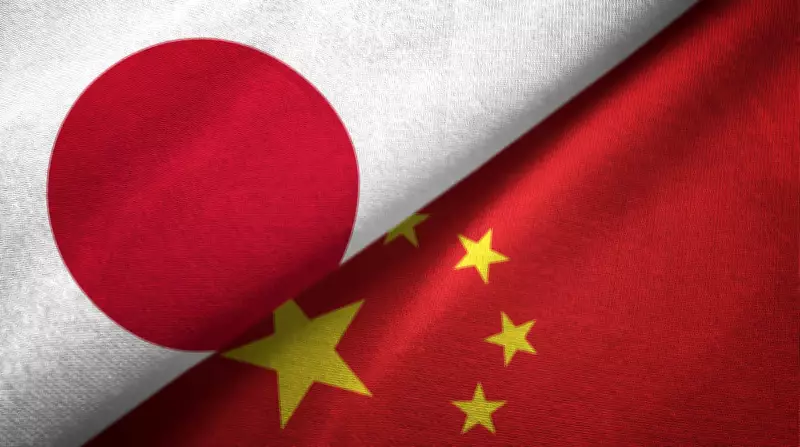
Japan to Remove 'Most Important' Label from China Diplomatic Relations
In a significant shift in foreign policy, Japan is set to drop the designation of 'most important' for its bilateral ties with China. This move reflects escalating tensions and a series of confrontations between the two nations over the past year, as outlined in a recent draft document.
Confrontations Driving the Policy Change
The draft highlights multiple incidents that have strained Japan-China relations. Key among these are export controls on rare earths imposed by Beijing, which have impacted Japan's technology and manufacturing sectors. Additionally, there have been reports of radar lock-ons targeting Japanese military aircraft, raising concerns about military safety and sovereignty. The document also notes increased pressure around Taiwan, a region where Japan maintains strategic interests, further complicating diplomatic interactions.
Implications for Regional Diplomacy
This policy revision signals a recalibration of Japan's diplomatic priorities in Asia. By removing the 'most important' tag, Japan may be seeking to diversify its international partnerships and reduce dependency on China amid ongoing geopolitical frictions. The move could influence trade, security, and political dynamics in the Asia-Pacific region, potentially leading to closer ties with other nations like the United States or Southeast Asian countries.

Experts suggest that this shift underscores the growing challenges in maintaining stable Japan-China relations, with issues such as territorial disputes and economic competition coming to the forefront. The draft's emphasis on recent confrontations indicates a pragmatic approach to foreign policy, prioritizing national security and economic resilience.
As Japan finalizes this change, observers will be watching for responses from China and how it might affect broader international relations, including efforts to address regional conflicts and promote cooperation in areas like climate change and trade.