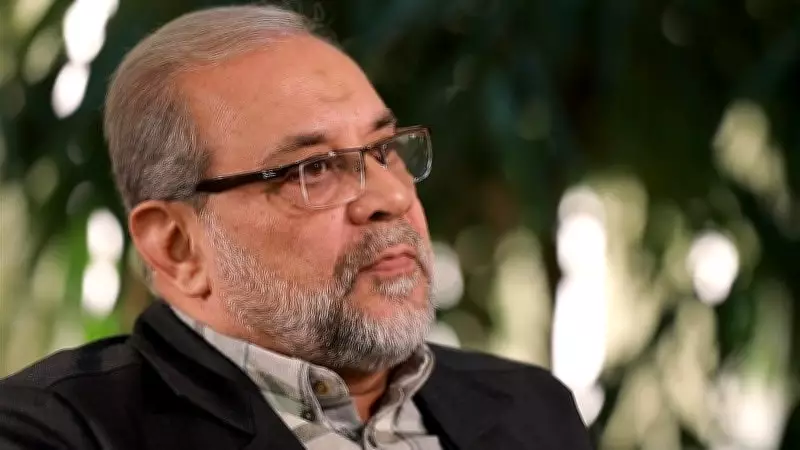
Iran Appoints Hardline Ex-Revolutionary Guards Commander to Replace Slain Security Chief
In a significant move amid escalating regional tensions, Iran has named a hardline former commander of the Islamic Revolutionary Guard Corps (IRGC) to take over as the country's new security chief. This appointment comes following the tragic death of the previous security head, who was killed in a recent incident that has heightened security concerns across the Middle East.
Background of the Appointment
The newly appointed security chief boasts an extensive background within the IRGC, having served in various high-ranking positions over the years. His career is marked by a steadfast commitment to Iran's revolutionary ideals and a reputation for taking a firm stance on security matters. This selection is seen as a strategic decision by Tehran to reinforce its security apparatus at a critical juncture.
Iran's leadership has emphasized the importance of maintaining stability and safeguarding national interests in the face of external pressures. The appointment of a figure with such a robust military and security pedigree is intended to send a clear message of resilience and determination.

Implications for Regional Security
This development occurs against a backdrop of ongoing conflicts and diplomatic strains in the Middle East. Iran's role in the region has been a subject of intense scrutiny, with its security policies often influencing broader geopolitical dynamics. The new security chief's hardline views are expected to shape Iran's approach to regional security challenges, potentially leading to a more assertive posture.
Analysts suggest that this appointment could impact Iran's interactions with neighboring countries and international actors. The focus will likely be on enhancing internal security measures while also addressing external threats, which may include cyber threats, espionage, and military confrontations.
Reactions and Future Outlook
Domestically, the appointment has been met with support from conservative factions within Iran, who view it as a necessary step to bolster national defense. However, there may be concerns among more moderate voices regarding the potential for increased militarization and its effects on civil liberties.
Internationally, the move is being closely monitored by global powers, particularly those involved in Middle Eastern affairs. The appointment could influence future negotiations and conflict resolutions in the region, as Iran's security strategy evolves under new leadership.
Looking ahead, the new security chief will face the daunting task of navigating complex security landscapes, both at home and abroad. His experience and ideological alignment with Iran's revolutionary principles will be key factors in shaping the country's security policies in the coming months.