India Commences Diesel Supply to Bangladesh via Landmark Cross-Border Pipeline
In a historic development for regional energy security, India has officially begun supplying diesel to Bangladesh through the newly inaugurated India-Bangladesh Friendship Pipeline. This strategic infrastructure project represents the first cross-border pipeline between the two neighboring nations, significantly enhancing their bilateral trade and cooperation in the energy sector.
Operational Milestone and Supply Details
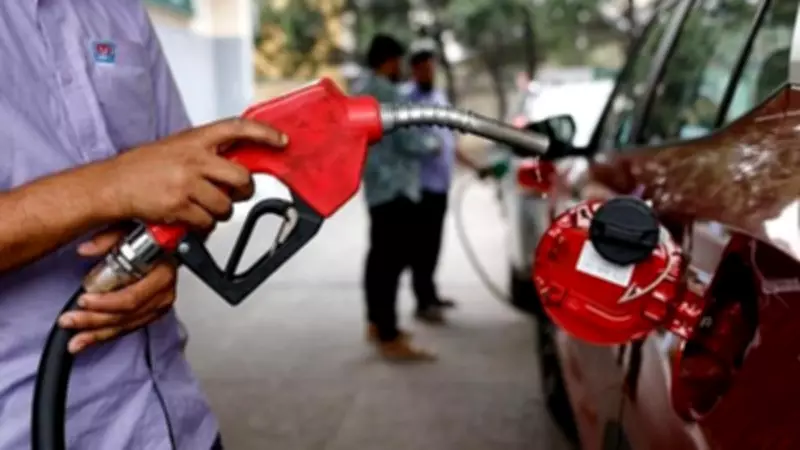
The pipeline, which became operational recently, is designed to transport high-speed diesel from India's Numaligarh Refinery Limited (NRL) in Assam to Bangladesh. Initial reports confirm that the supply has commenced, with diesel flowing through the pipeline to meet Bangladesh's growing energy demands. This move is expected to streamline fuel transportation, reducing dependency on traditional methods like rail and road, which are often slower and more costly.
The pipeline spans approximately 131.5 kilometers, with 126.5 kilometers running through Indian territory and 5 kilometers in Bangladesh. It has an initial capacity to transport 1 million metric tons per annum (MMTPA) of diesel, which can be scaled up in the future based on demand. This capacity is crucial for Bangladesh, which imports a substantial portion of its fuel to support its rapidly expanding economy and industrial base.

Strategic and Economic Implications
This pipeline project is a cornerstone of the broader energy partnership between India and Bangladesh, reflecting deepening ties under initiatives like India's 'Neighbourhood First' policy. By providing a reliable and efficient supply route, it aims to bolster Bangladesh's energy security, reduce logistical bottlenecks, and potentially lower fuel costs for consumers. For India, it strengthens economic linkages and reinforces its role as a key energy partner in South Asia.
The collaboration underscores a shared commitment to sustainable development and regional stability. It aligns with global trends towards enhancing cross-border energy infrastructure to foster economic growth and cooperation. Analysts note that this pipeline could serve as a model for similar projects in the region, promoting energy integration and reducing geopolitical tensions.
Background and Future Prospects
The India-Bangladesh Friendship Pipeline was conceived as part of a memorandum of understanding signed between the two countries, with construction overseen by joint efforts. Its operationalization comes at a time when both nations are seeking to diversify energy sources and improve supply chain resilience amid global market fluctuations.
Looking ahead, this pipeline is expected to:
- Enhance bilateral trade volumes in the energy sector.
- Support Bangladesh's industrial and agricultural sectors by ensuring steady fuel availability.
- Foster closer diplomatic and economic relations between India and Bangladesh.
- Potentially pave the way for future collaborations in oil, gas, and renewable energy projects.
In summary, the commencement of diesel supply via this cross-border pipeline marks a transformative step in India-Bangladesh relations, with far-reaching benefits for energy security, economic growth, and regional cooperation in Asia.