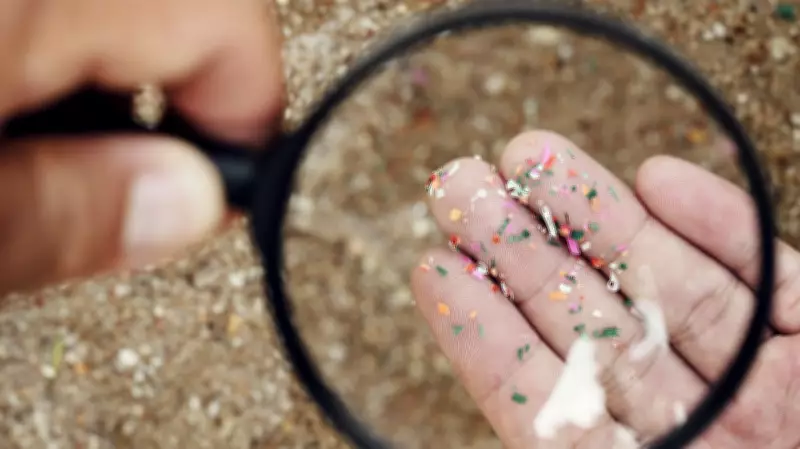
The Central Pollution Control Board (CPCB) has acknowledged that India currently lacks the necessary standards and infrastructure to test microplastics in water samples. In a recent statement, the CPCB revealed that its laboratory does not have the analytical or infrastructural capacity to detect and measure microplastic contamination. This shortfall has prompted the board to explore outsourcing such testing to specialized agencies.
CPCB's Admission on Microplastics Testing
According to officials, the CPCB's existing facilities are not equipped to handle the complex process of identifying microplastics, which are tiny plastic particles less than five millimeters in size. These particles pose significant environmental and health risks as they can enter water bodies and eventually the food chain. The board's admission highlights a critical gap in India's environmental monitoring capabilities.
Outsourcing as a Temporary Solution
To address the immediate need, the CPCB has considered engaging external experts and laboratories with specialized equipment. However, this approach is seen as a stopgap measure until India develops its own standardized testing protocols and infrastructure. The lack of domestic standards also means that data on microplastic pollution across Indian water sources remains scarce.

Environmental activists have expressed concern over this gap, urging the government to prioritize the establishment of testing facilities and regulations. Microplastics have been linked to adverse effects on aquatic life and human health, making their monitoring crucial for public safety.
The CPCB's statement comes amid growing global awareness about plastic pollution. Several countries have already implemented stringent testing standards for microplastics in drinking water and other environmental samples. India's delay in adopting such measures could hinder its efforts to combat pollution and protect water resources.
In conclusion, the CPCB's acknowledgment underscores the urgent need for investment in environmental testing infrastructure and the formulation of national standards for microplastic analysis. Without these, India may struggle to assess and mitigate the impact of plastic pollution on its water bodies and public health.