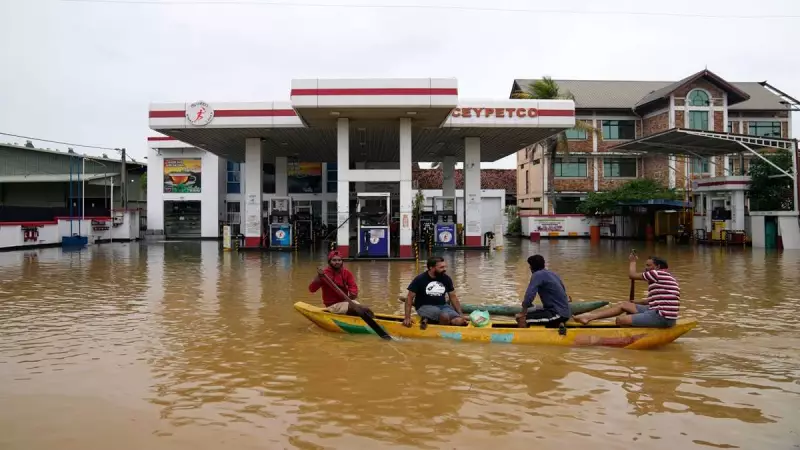
Cyclone Ditwah has left a trail of unprecedented destruction across Sri Lanka, with the death count climbing to over 150 people as of November 30, 2024. The catastrophic storm triggered massive flooding, particularly affecting areas surrounding the Kelani River, prompting authorities to issue urgent flood alerts and launch one of the largest rescue operations in recent memory.
Widespread Devastation and Rescue Efforts
The cyclone made landfall with devastating force, causing rivers to overflow and submerge entire communities. The Kelani River experienced dangerous water surges that swept away homes, vehicles, and infrastructure. Rescue teams comprising military personnel, police, and volunteers have been working around the clock to evacuate stranded residents from rooftops and upper floors of submerged buildings.
Emergency response units face significant challenges reaching affected areas due to damaged roads and continuing heavy rainfall. Many regions remain completely cut off, with communication networks severely disrupted. The government has deployed boats and helicopters to deliver essential supplies and medical aid to isolated communities.

International Response and Relief Operations
The Sri Lankan government has declared a state of emergency in the worst-hit districts and has appealed for international assistance. Neighboring countries, including India, have already begun sending relief materials, including food packets, drinking water, medicines, and temporary shelter equipment.
Medical teams are establishing emergency clinics in safe zones to treat injuries and prevent waterborne diseases. Authorities have warned about the potential health crisis that could follow the flooding, with contaminated water sources posing serious risks to public health.
Infrastructure Damage and Economic Impact
The cyclone's fury has left critical infrastructure in ruins. Power outages affect millions of residents, while major transportation routes remain underwater or damaged. Agricultural lands have suffered extensive damage, raising concerns about food security in the coming months.
Key economic sectors, including tourism and manufacturing, have been severely impacted. The full economic cost of the disaster is yet to be assessed, but preliminary estimates suggest it could run into billions of rupees. Insurance companies have begun receiving thousands of claims from affected businesses and homeowners.
Meteorological departments continue to monitor the situation closely, warning that more heavy rainfall is expected in the coming days, which could hamper relief efforts and potentially increase the death toll. Authorities have urged residents in low-lying areas to move to higher ground and designated shelters immediately.