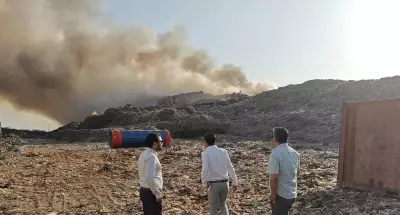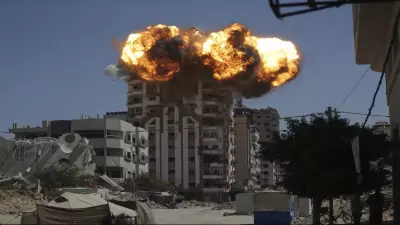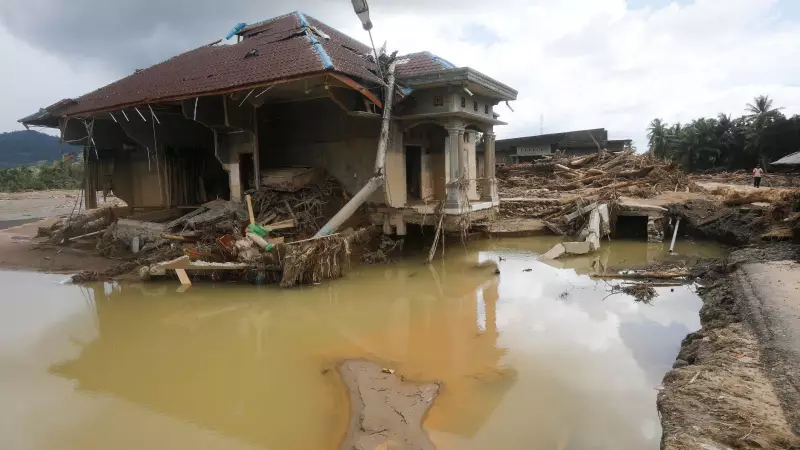
Catastrophic floods and powerful cyclones have unleashed devastation across South and Southeast Asia, resulting in a staggering death toll and widespread destruction. The combined force of these natural disasters has claimed more than a thousand lives, with hundreds more still unaccounted for, leaving a trail of grief and ruin in multiple countries.
A Region Submerged: The Scale of the Catastrophe
The disaster unfolded over recent weeks, with extreme weather events battering several nations simultaneously. In Indonesia, relentless torrential rains triggered massive floods and deadly landslides. The situation turned particularly tragic in the West Sumatra province, where a landslide engulfed a village, leading to significant loss of life. Rescue teams are working against time, battling difficult terrain and continued rainfall to find survivors.
Sri Lanka faced the fury of severe monsoon rains, which caused rivers to overflow and inundate vast areas. The flooding has displaced tens of thousands of people, forcing them into temporary shelters. Critical infrastructure, including roads and bridges, has been washed away, severely hampering relief and rescue operations in the hardest-hit districts.

Meanwhile, Thailand grappled with the impact of a tropical cyclone that brought violent winds and torrential downpours to its southern regions. Coastal communities were swamped by storm surges, and agricultural lands were completely submerged, dealing a heavy blow to local farmers and the economy.
Rescue Efforts and Mounting Challenges
Emergency response teams from national armies, disaster management agencies, and local volunteers are engaged in a massive operation across all three nations. Their primary goals are to evacuate stranded citizens, provide immediate medical aid, and distribute essential supplies like food, clean water, and temporary shelter materials.
However, these efforts face immense hurdles. Continuous rainfall and the threat of further landslides pose ongoing risks to both victims and rescuers. Many affected areas remain inaccessible due to damaged transportation networks, making it difficult to assess the full extent of the damage or deliver aid to remote villages. Authorities warn that the death toll may rise as communication is restored and more isolated communities are reached.
The scale of the displacement is enormous. Government reports indicate that hundreds of thousands of people have been forced from their homes. They are now housed in schools, community halls, and makeshift camps, where concerns are growing about the potential outbreak of waterborne diseases due to contaminated water sources and poor sanitation.
Long-Term Impact and Climate Concerns
Beyond the immediate human tragedy, the economic and environmental fallout from these disasters is severe. Key sectors have been crippled:
- Agriculture: Vast tracts of farmland are destroyed, threatening food security and livelihoods.
- Infrastructure: Roads, bridges, and power lines have suffered extensive damage, requiring massive investment to rebuild.
- Housing: Countless homes have been damaged or completely swept away, creating a long-term rehabilitation challenge.
This series of concurrent extreme weather events has intensified discussions among scientists and policymakers about the role of climate change. Many experts point out that the increasing frequency and intensity of such storms and unprecedented rainfall patterns are consistent with global warming predictions. The disasters underscore the urgent need for enhanced regional disaster preparedness and more robust climate adaptation strategies to protect vulnerable populations.
As the affected nations begin the arduous task of recovery and rebuilding, the international community is mobilizing support. The full human and economic cost of these floods and cyclones will likely become clearer in the coming weeks, but the scars on the landscape and communities will undoubtedly last for years to come.