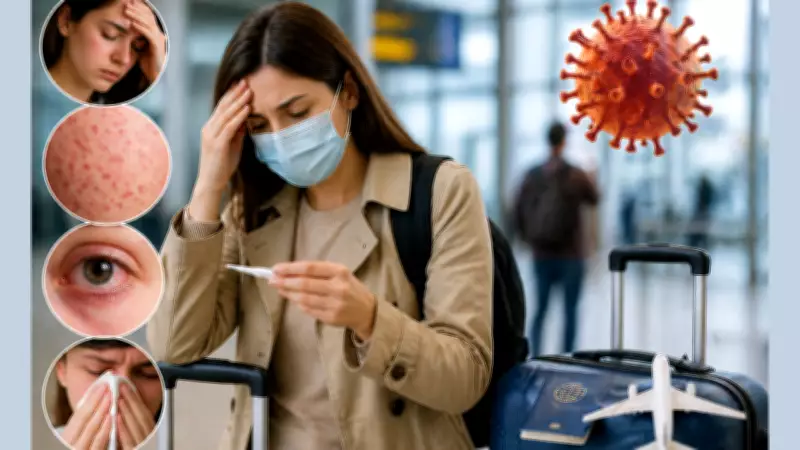
The CDC has just issued updated travel guidance regarding measles, and if you are planning international travel anytime soon, it is important to pay attention. The agency wants travelers to be aware of what to look for to avoid accidentally bringing the disease back home.
Measles in the US and Globally
Measles was declared eliminated in the United States in 2000, but globally it remains present, with outbreaks occurring in several countries. If you travel to affected regions and are not vaccinated or lack immunity, you could be exposed. Returning without knowing you have measles could lead to spreading it to vulnerable populations, including unvaccinated children and immunocompromised individuals.
Key Points of the CDC Guidance
The CDC's travel guidance emphasizes three main actions: check your vaccination status before traveling, ensure you are protected, and learn to recognize measles symptoms so you do not mistake them for another illness and inadvertently expose others.

Early Symptoms Often Misdiagnosed
The early symptoms of measles are generic, resembling a cold or flu: fever, runny nose, cough, irritated and watery eyes, and fatigue. However, a specific sign is Koplik spots—tiny white spots inside the mouth on the inner cheeks, appearing like grains of salt on a red background. These spots often appear before the rash and are a strong indicator of measles, but many people miss them.
After a few days, a rash appears. It does not cover the entire body at once; it starts on the face near the hairline or behind the ears and spreads downward. The rash consists of small red spots that may merge, can be itchy, and typically lasts about a week.
Contagious Before Symptoms Are Recognized
Measles is contagious before you even know you have it. It spreads through respiratory droplets from coughing or sneezing, which can linger in the air. If you contracted measles while traveling and thought you had a cold for three days, you could have exposed people on your flight, at the airport, or at work or school upon return.
Recommended Actions
The best prevention is vaccination. The MMR vaccine is highly effective. If you are unsure of your vaccination status, consult your doctor and check your records. If you travel and develop symptoms—fever, cough, runny nose, and especially a rash—seek medical attention. Inform your doctor about your travel history. If diagnosed with measles, stay home to avoid spreading it.
The CDC's guidance is not about restricting travel but about ensuring you are protected and preventing the inadvertent importation of a preventable disease. Being responsible helps protect everyone.