

Annular Solar Eclipse 2026: A Celestial Spectacle Not Visible from India
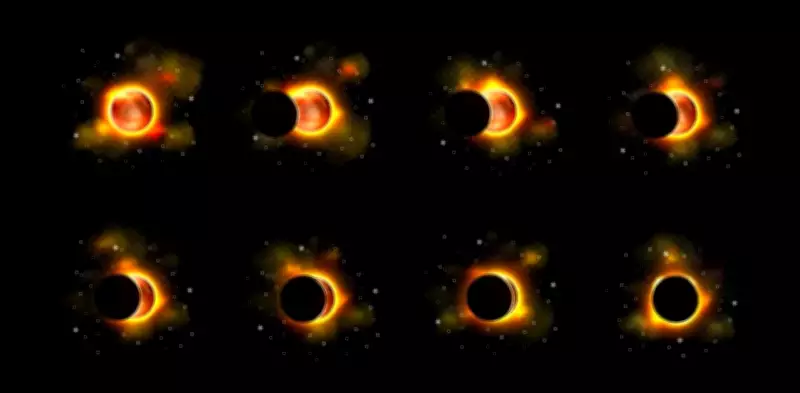
The annular solar eclipse, scheduled for February 17, 2026, stands as one of the most anticipated astronomical events for both professional astronomers and amateur sky watchers. This phenomenon, often referred to as the "Ring of Fire," occurs when the Moon, positioned farther from Earth, appears smaller and covers only the Sun's center, leaving a brilliant ring of sunlight visible around its edges.
Date, Time, and Visibility Details
The eclipse will take place on the New Moon day, specifically during the month of Phalguna on Amavasya Tithi. Unfortunately, this annular solar eclipse will not be visible from India. Astronomers and enthusiasts in the country may feel disappointed, as they will need to travel to specific regions or rely on live streams to witness the event.
What is an Annular Solar Eclipse?
An annular solar eclipse is a unique type of solar eclipse where the Moon does not completely cover the Sun. Instead, due to its greater distance from Earth, it leaves a ring-like appearance, creating a stunning visual effect. This "Ring of Fire" moment is highly compelling and attention-grabbing, often captured by photographers using DSLRs and studied in-depth by scientists.

Global Visibility of the 2026 Annular Eclipse
The annular solar eclipse of 2026 will be visible in several countries and regions, offering a breathtaking view to residents and visitors there. The primary locations include:
- South Africa
- Zimbabwe
- Botswana
- Namibia
- Mauritius
- Tanzania
- Argentina
- Antarctica
- Other southern South American countries
Individuals interested in observing this celestial spectacle should plan trips to these areas or stay updated via official sources like the NASA website for live coverage and information.
Understanding Solar Eclipses
Solar eclipses occur when the Moon passes between the Earth and the Sun, obscuring the Sun's light during the New Moon phase. In astrology, solar eclipses are often seen as symbols of new beginnings, endings, and resets, particularly related to direction, identity, and purpose. The annular variant adds a dramatic visual element to this symbolic significance.
Frequently Asked Questions (FAQs)
- When is the first solar eclipse in 2026? The first solar eclipse of 2026 will occur on February 17, 2026.
- Will this solar eclipse be visible in India? No, the annular solar eclipse on February 17, 2026, will not be visible from India.
For those unable to travel, following updates from astronomical organizations can provide virtual access to this remarkable event, ensuring that the memory and analysis of the eclipse are preserved for all enthusiasts.






