Heatstroke Cases Emerge Across Maharashtra as Temperatures Soar
The rising maximum temperatures across Maharashtra have resulted in 15 confirmed cases of heatstroke reported between March 1 and April 13, raising significant concerns among medical professionals and residents alike. According to data released by the state health department, these cases are distributed across multiple districts, highlighting the widespread impact of the ongoing heatwave.
District-Wise Breakdown and Comparative Data
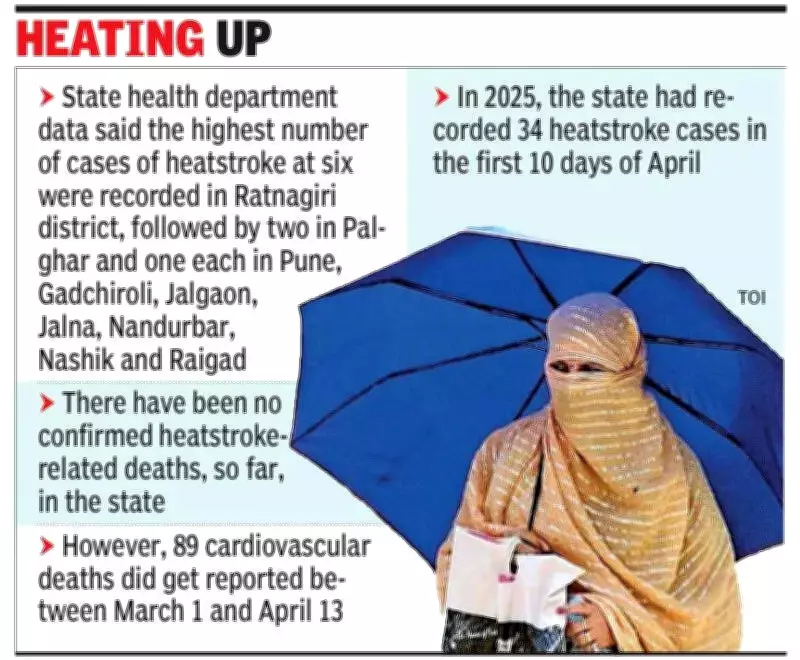
State health records indicate that Ratnagiri district recorded the highest number of heatstroke cases at six, followed by Palghar with two cases. Single cases were reported in Pune, Gadchiroli, Jalgaon, Jalna, Nandurbar, Nashik, and Raigad districts. While no confirmed heatstroke-related fatalities have occurred in the state during this period, authorities noted that 89 cardiovascular deaths were reported in the same timeframe, potentially linked to heat stress.
Historical comparison reveals that in 2025, Maharashtra had recorded 34 heatstroke cases during just the first ten days of April alone, suggesting that while current numbers appear lower, the situation remains serious. The India Meteorological Department has forecast that temperatures will continue to exceed 40° Celsius in various districts over the coming days, maintaining the current hazardous conditions.

Massive Scale of Heat-Related Medical Treatment
Despite the relatively low number of confirmed heatstroke cases, the broader impact of extreme heat is evident in treatment statistics. A staggering 2.7 lakh patients across all districts have received medical attention for heat-related symptoms and complications. Mumbai leads with 49,000 affected patients, followed by Thane with 40,000, Nagpur with 23,000, and Pune with over 21,000 individuals seeking treatment.
Dr. Sandeep Sangale, Joint Director of State Health Services, emphasized the preparedness measures being implemented: "We have instructed all district health officers to ensure every primary health centre maintains a properly equipped cold room and adequate medicine stocks. All medical officers have received specialized training for diagnosing and clinically managing patients presenting with heatstroke symptoms."
Medical Experts Warn of Serious Health Risks
Consultant interventional cardiologist Dr. Sujit Sawadatkar from Noble Hospital and Research Centre explained the physiological dangers: "Extreme heat represents more than mere discomfort—it functions as a physiological stress test. Recently, I treated a 52-year-old diabetic hypertensive field supervisor who developed dehydration-induced hypotension and acute kidney injury following prolonged sun exposure. His ECG changes even mimicked cardiac ischemia, demonstrating how heat can trigger serious cardiovascular complications."
Dr. Swati Goray, Consultant in Endocrinology at Jupiter Hospital, highlighted specific risks for diabetic patients: "High temperatures can cause dehydration that elevates blood sugar levels, increasing risks of fatigue, dizziness, and exhaustion. Heat may alter insulin functionality and damage glucose monitoring equipment if exposed. Diabetic individuals should increase water intake, monitor blood sugar more frequently, store insulin and testing supplies in cool locations, avoid peak sun exposure, and seek immediate medical attention if symptoms develop."
Comprehensive Preventive Measures Recommended
Dr. Abhishek Mehendale, Consultant in Internal Medicine at Surya Mother and Child Super Speciality Hospital, outlined essential precautions: "Basic preventive measures include avoiding afternoon exposure, maintaining regular hydration, wearing lightweight clothing, taking frequent rest breaks, and seeking urgent care for symptoms like confusion, fainting, or reduced urination."

Dr. Mehendale further emphasized: "Preventive care must be proactive, incorporating strict hydration protocols, electrolyte balance maintenance, medication timing reviews, avoidance of peak heat hours, and early recognition of warning signs like dizziness or decreased urination. Protection from extreme heat has become a clinical priority rather than seasonal advice, as heat can exacerbate dehydration, strain cardiac and renal systems, and increase risks of heat exhaustion or heatstroke, particularly among those with diabetes, cardiovascular conditions, or kidney disease."
The combination of confirmed heatstroke cases, extensive heat-related medical treatments, and expert warnings underscores the significant public health challenge posed by rising temperatures across Maharashtra. Health authorities continue to monitor the situation closely while urging residents to adopt preventive measures as the heatwave persists.