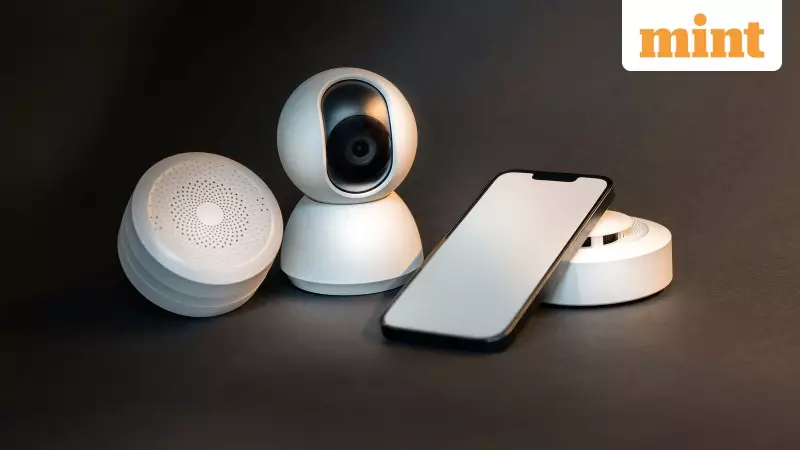
Have you ever paused to consider what your smart gadgets are truly doing in the background? The television mounted on your wall, the speaker in your corner, even that small smart light bulb—they might be gathering far more information about your life than you imagine. Brands often embed these data collection practices deep within their privacy policies, which most users accept without a second glance.
How Your Devices Secretly Collect Data
Technology companies frequently disguise their data harvesting activities behind friendly-sounding terminology. A feature labeled as 'content recognition' on your smart television might appear harmless, but it essentially monitors every show and movie you watch. Many television manufacturers keep this tracking feature activated by default. Unless you manually disable it, the system assumes you have provided consent.
These connected devices can potentially access a wealth of your personal information. This includes your viewing patterns, recorded voice commands, application usage history, geographical location, and even data about other devices connected to your home Wi-Fi network. While this surveillance isn't always overt, there are several subtle indicators that can alert you to potential privacy breaches.

5 Warning Signs Your Gadgets Are Spying
Devices engaged in unauthorized data collection rarely announce their activities openly. Instead, you might notice peculiar behaviors developing over time. Watch carefully for these red flags:
- A battery-powered device becoming unusually warm or experiencing rapid power drainage
- Unexpected internet data spikes from gadgets that shouldn't require constant online access
- Highly specific advertisements that reference conversations or activities from your private devices
- Privacy permissions reactivating automatically after a software update
- Your router lights flashing excessively when no significant online activity should be occurring
While none of these signs alone provides definitive proof, they serve as strong indicators that warrant further investigation into your device's activities.
Which Smart Devices Pose the Highest Risk?
Virtually any internet-connected gadget can potentially compromise your data privacy, but certain categories demand extra caution. The most concerning devices include smart speakers that constantly listen for wake words, smart televisions with tracking features enabled by default, budget security cameras and doorbells from lesser-known manufacturers, and mobile applications that request unnecessary permissions.
The safest approach is to treat every connected device in your home as a potential privacy risk. Being proactive about your digital security can prevent your personal information from being exploited.
Practical Steps to Protect Your Privacy
You don't need advanced technical expertise to monitor your devices. Most contemporary routers provide detailed information about data consumption per connected device. If you notice a particular gadget regularly uploading substantial amounts of data, this could indicate unauthorized activity.
Through your router's administration dashboard, you can identify which device is transmitting unusual data, completely block its internet access, establish a separate network exclusively for smart devices, and restrict permissions for specific gadgets. Additionally, regularly review application permissions on your smartphones and smart televisions, and disable options related to 'diagnostics' or 'product improvement.'
If any device appears suspicious, immediately isolate it from your network, restore its factory settings, or consider replacing it entirely—especially if it originates from an unfamiliar brand. With vigilant monitoring and these straightforward protective measures, you can significantly reduce the risk of your personal life being overshared without your knowledge.